An Evening on the Beachfront

Location: Sihanoukville, Cambodia

Price: $30 Hotel Room (split between 5 people), $2.50 Curry Dinner

After two mind-numbing plane rides (total: eleven hours), a deep nap on the itchy, carpeted floor of the Kuala Lumpur airport, a rickety tuktuk ride from the airport through Phnom Penh’s city center, and a sweaty six hour bus ride through the dusty, red Cambodian countryside, I’ve almost completed my first leg of travel. I’ve reached the rowdy beach town of Sihanoukville and though I’m only staying a night, it still feels good to shrug off my twelve-kilo backpack and stretch my legs. 

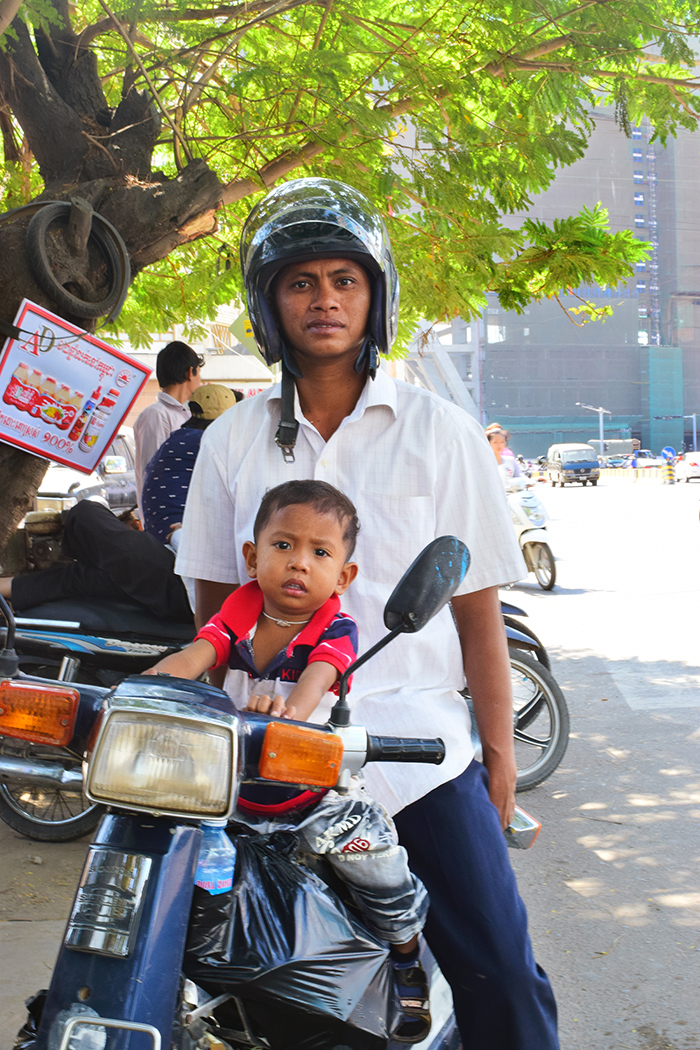
I’m staying at a hotel a few blocks inward from the touristy beachfront in a room with three double beds in it for $30 a night; it’s perfect for me and my four fellow travelers. It’s the place the tuktuk driver always brings you to when you arrive off the bus and ask to go to the city center. As I clambered off the ripped plastic cushion of the ghetto carriage, one of my friends murmured to me that they must have a commission deal with the hotel. There were restaurants and accommodation on all sides, handpainted signs with names like “Lucky Star Guesthouse” and “Moon Shine Foods,” and menu boards painted on strips of wood or plastic. A family of four (Mom, Dad, a toddler and a baby) whizzed by me on a single scooter, honking to let me know they were passing.

When we entered the hotel room, we were greeted by thick, flower patterned fleece blankets and thinly threaded towels formed into misshapen hearts. A hot water shower, plastic toothbrushes, a television with movie channels, and air conditioning were all included in our $30 deal. It was luxury. The towels were a special treat - I’d forgotten to pack mine and would need to steal one on the way out.

We wandered down to the beach, where barbecue restaurants line the sand and drunk tourists light off janky Cambodian-manufactured roman candles a little too close for comfort. We sat under a string of flashing neon green lights twisted into a dolphin. The water lapped black and quiet in the background. I began to order pork with my Panang curry (a semi-spicy, traditional red curry), but one of my friends warned me away from it; apparently the pork in Sihanoukville isn’t very fresh. I changed my order to chicken, the safer bet. The young waiter, maybe sixteen years old, slipped over to us halfway through the meal and quietly asked if we’d like to buy some marijuana. It was so casual I wondered if patrons received a drug discount with their meal. 

Children wandered around the beach unsupervised. A little Cambodian boy peeled off chunks of red candle wax from the oh-so-romantically-decorated wicker tables and chucked them at me. When I jumped up to chase him down, he giggled and ducked between tables and lounge chairs, only to return a few minutes later with more ammo. As we left he pulled his hoodie over his face and came up to me, reaching out with clawing fingers, pretending to be a zombie, and grabbed my ass.

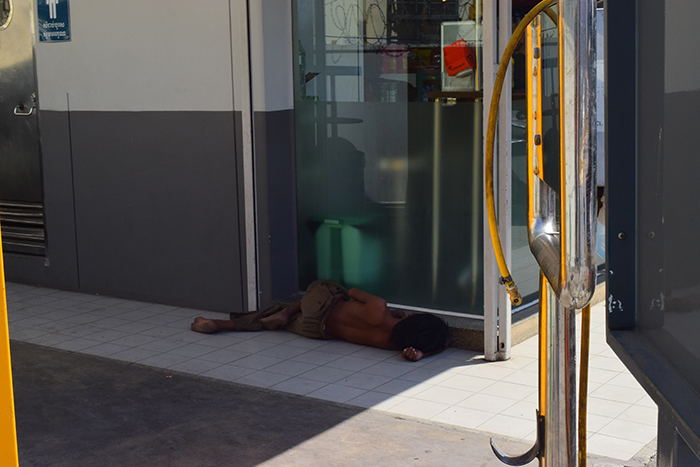
We were approached by beggars every few minutes. Many were disabled. One man crawled with his arms, dragging his useless legs behind him. Another held out his stub of an arm to us. One was an older woman, blind in one eye, maybe five feet tall, carrying a child that couldn't have been more than two years old. She held out a shaky, gristly palm and shifted the baby on her hip. I gave her the same slow head shake as I gave the others, my eyes screaming pity and begging for mercy. She stared blankly for a few minutes before moving on. Later, I saw the baby stumbling around the restaurant crying. The woman was nowhere in sight. After a few long, aching minutes of misery, an older child grabbed its hand and dragged it away from the beachfront. 
90 Minutes in Phnom Penh

Location: Phnom Penh, Cambodia

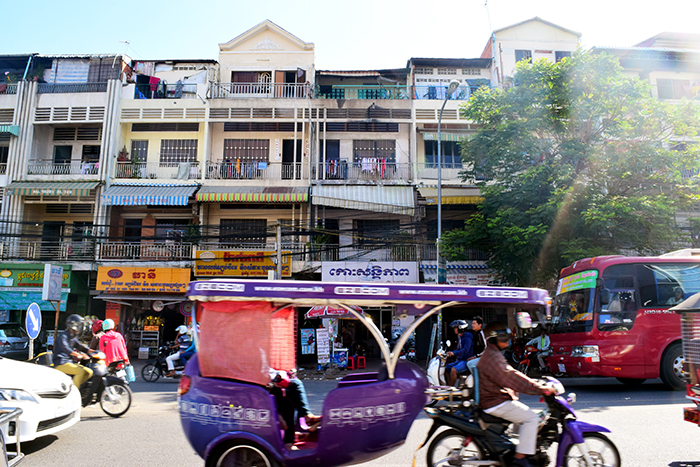
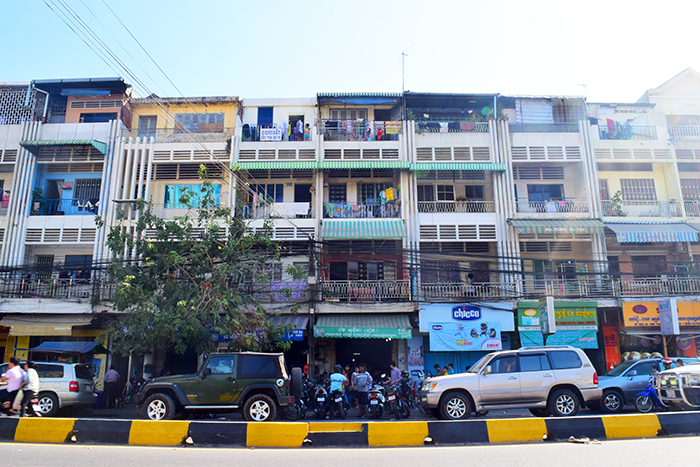
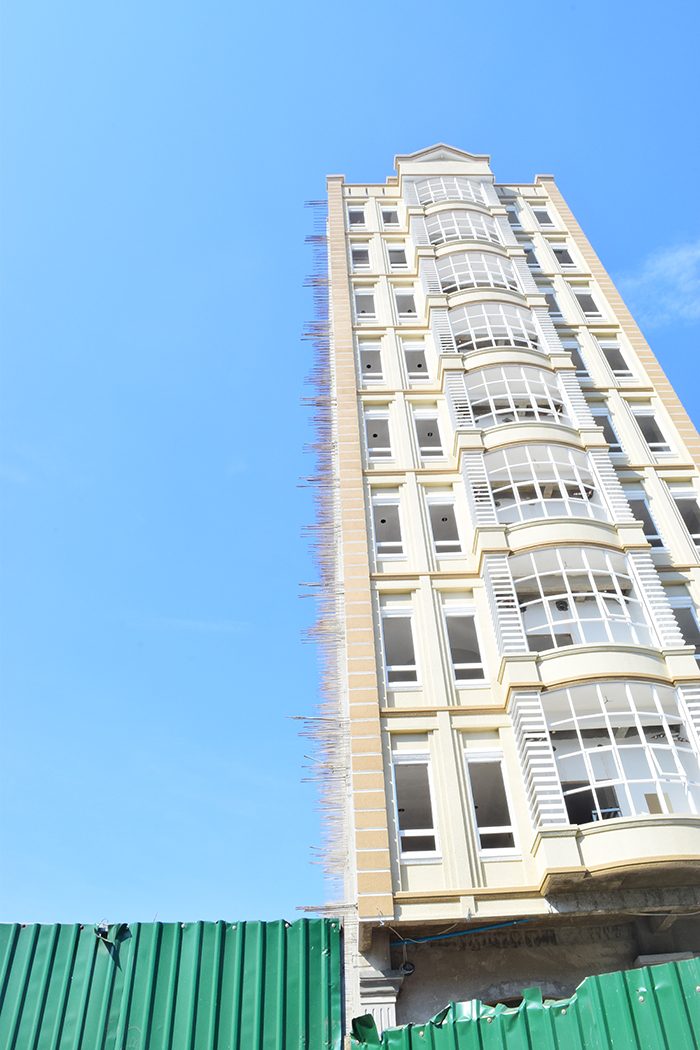
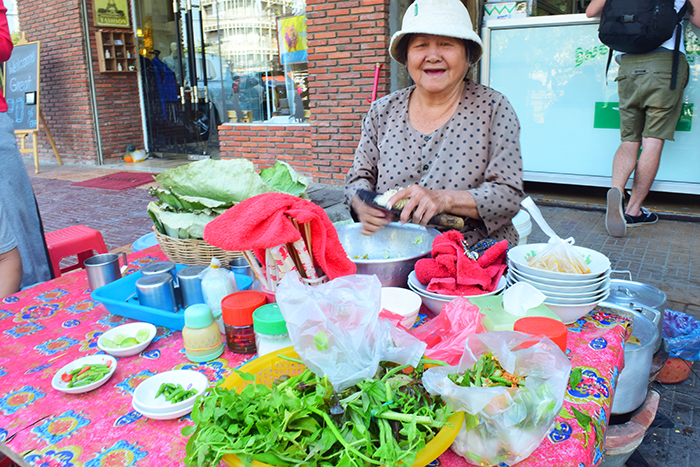
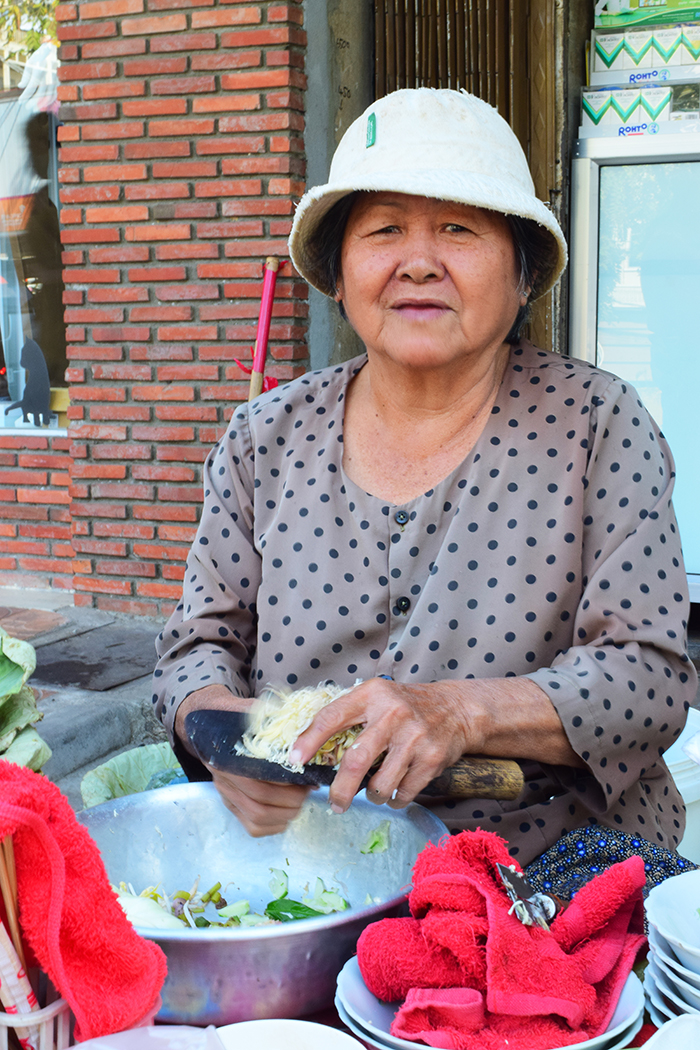
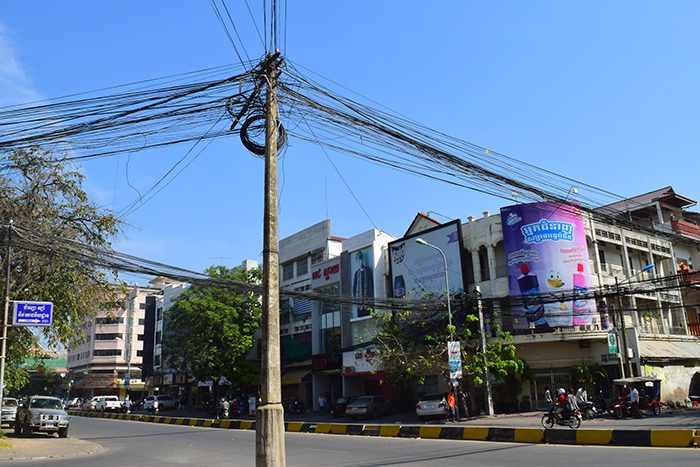
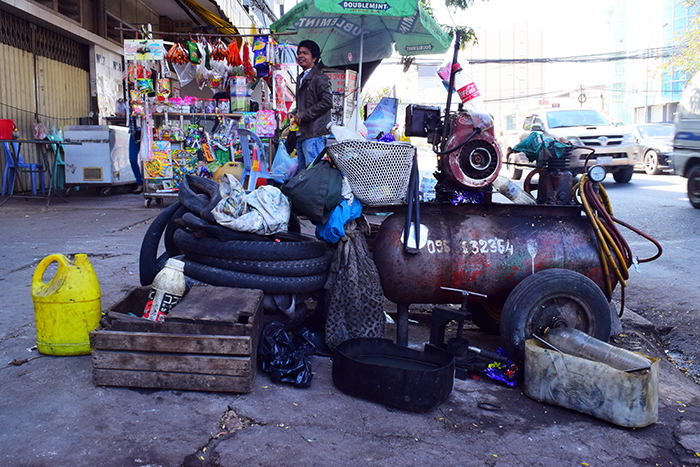
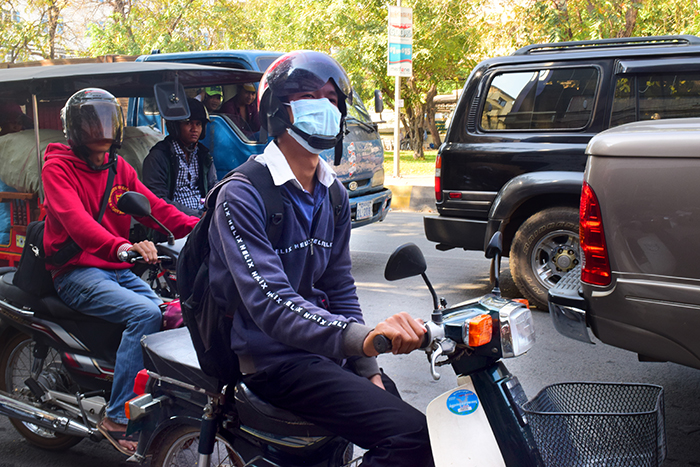
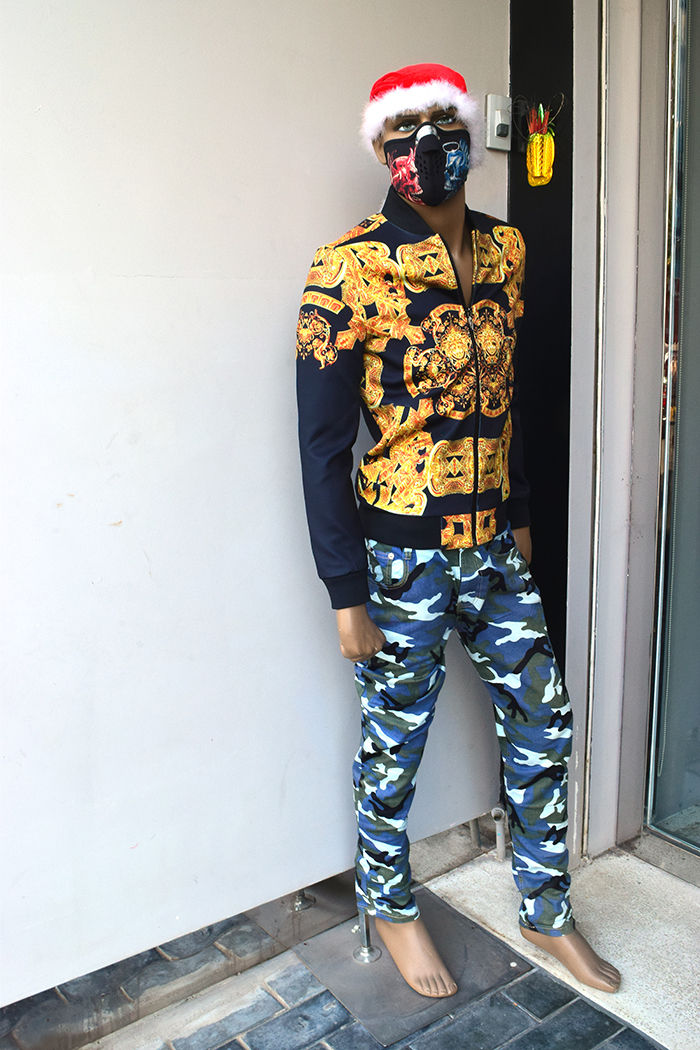
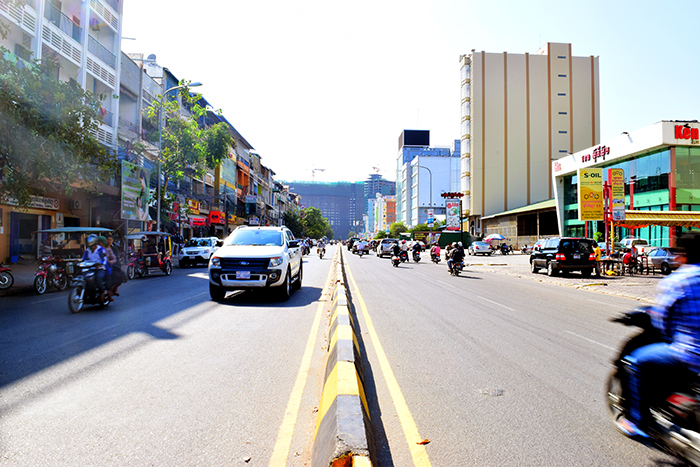
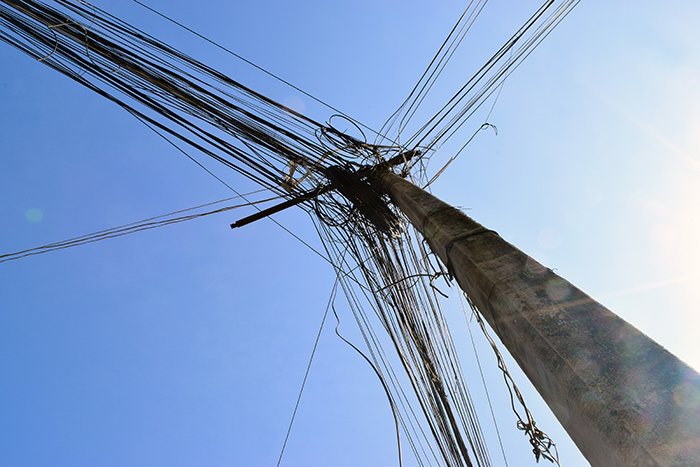
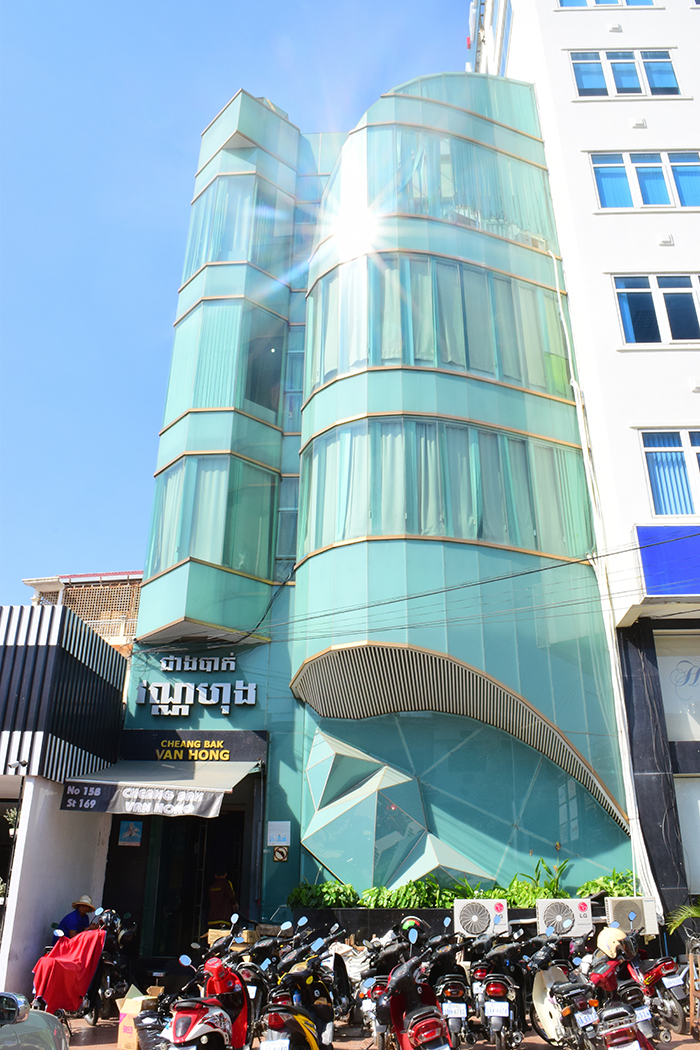
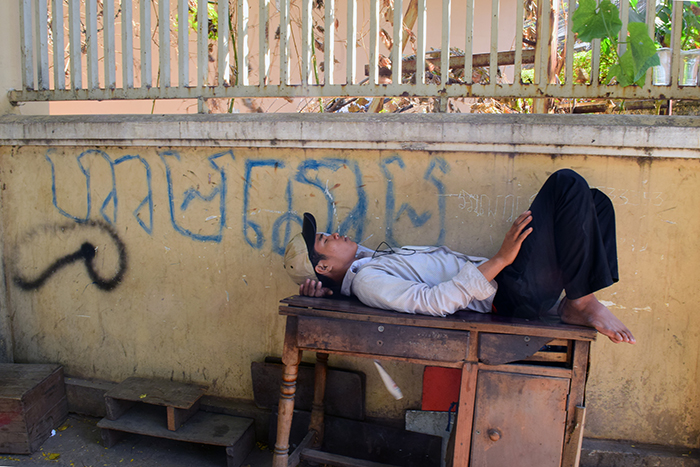
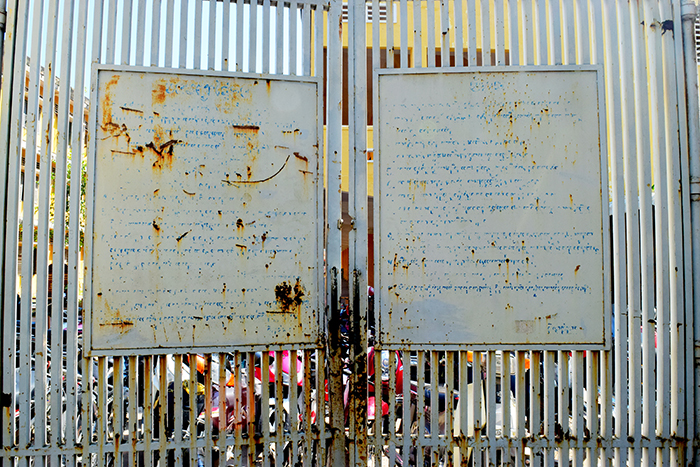
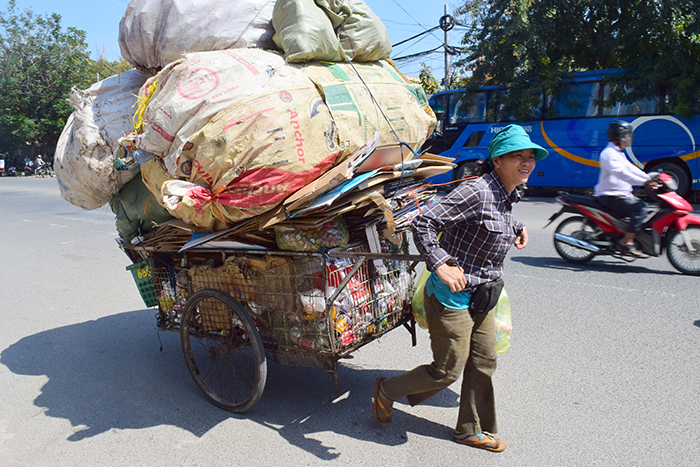
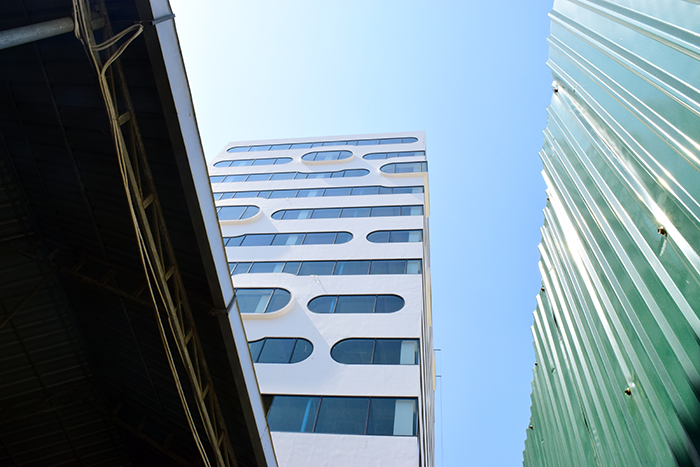
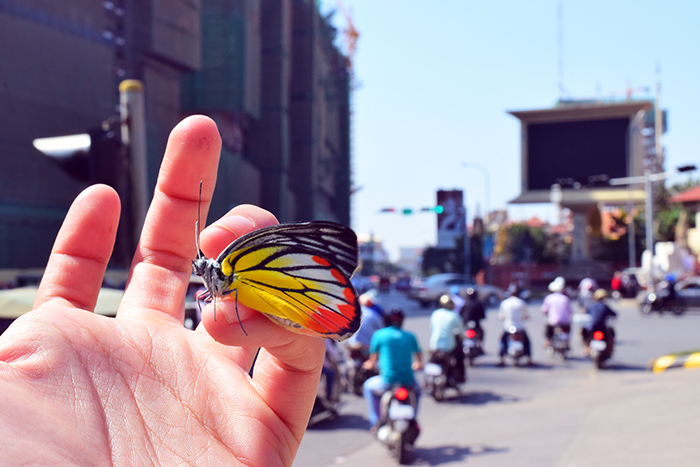
It's hard to get to know a city when you're only there to grab food between your flight and your bus ride to the next destination and you're jet-lagged and exhausted from 20+ hours of travel. But here are some quick shots I was able to snag while stumbling through.

A Getaway to Forster: The Camper Van Life

Location: Forster, New South Wales, Australia

Price: $11 Goon Sack

Trailer parks in the United States have a bit of a dirty reputation, but Australia’s holiday parks foster a completely different style of camper van vacation. Grandparents, cousins, stepbrothers, and toddlers all pile into caravans with their swimmers, thongs, eskys (read: coolers) of boxed wine and beers, sunnies, and heaps of SPF 30. Then they drive down to one of the many mini-paradises along Australia’s coastline, park their cars and campers, and set up for anywhere from a week to a few months of fun-in-the-sun. 

Forster, New South Wales is home to one of these many home-away-from-homes. I was invited by my friend, Courtney, to join her on a getaway to her aunt and uncle’s camper. Before we left, she warned me we would be drinking our way through the entire trip. So we loaded up the car with cheap sparkling wine and made the hour and a half drive from Newcastle to Tuncurry Beach Holiday Park.

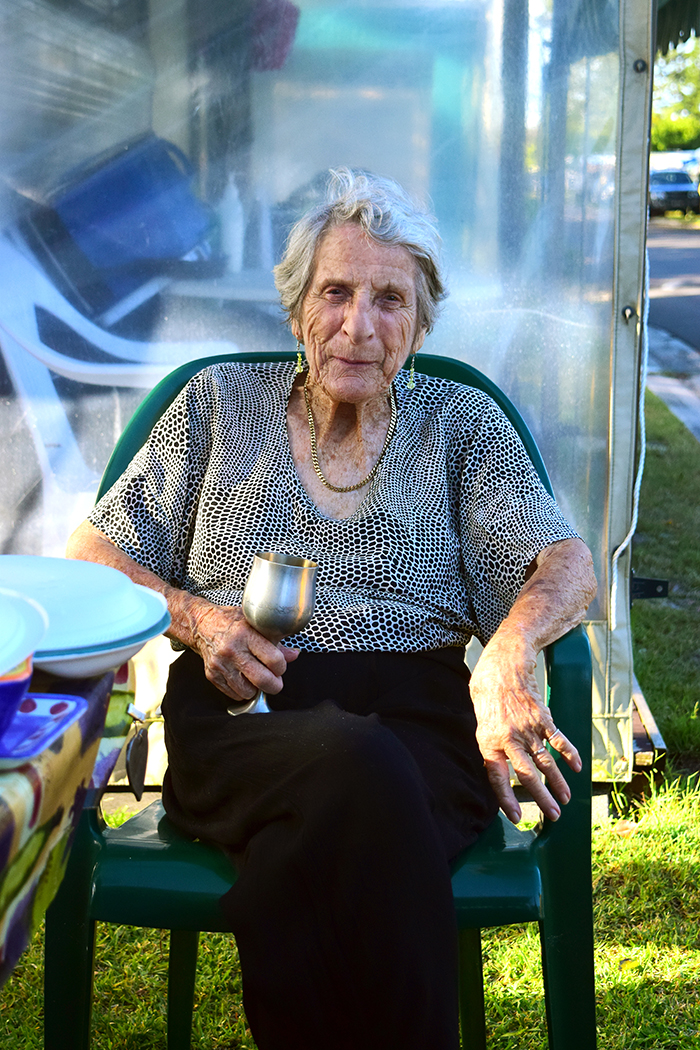
On arrival we transformed from responsible, respectable (I use that term loosely) adults into lazy teenagers basking in a summer vacation: our days revolved around swimming in the deep, murky waters of the rock pool, chasing down Mr. Whippy (the ice cream truck that tours the park every twilight) for a drippy, creamy helping of soft serve, watching dolphins play in the harbor, taking Bloody Mary oyster shots at the nearby pub, and wandering around barefoot, trying our hardest not to spill our drinks. Time and dates faded away into carefree bliss; our only measure of our days was the distance to the fish fry, an annual event hosted by Courtney’s grandparents and attended by 10-15 family friends. It’s BYOB and every guest contributes a light side dish to complement the main course: freshly caught, filleted, crumbled, and lightly fried whiting and bream. The best part of it is that everyone is involved. Over the course of several weeks, one family catches the worms for bait, and another catches the fish, and then another cooks them for everyone.

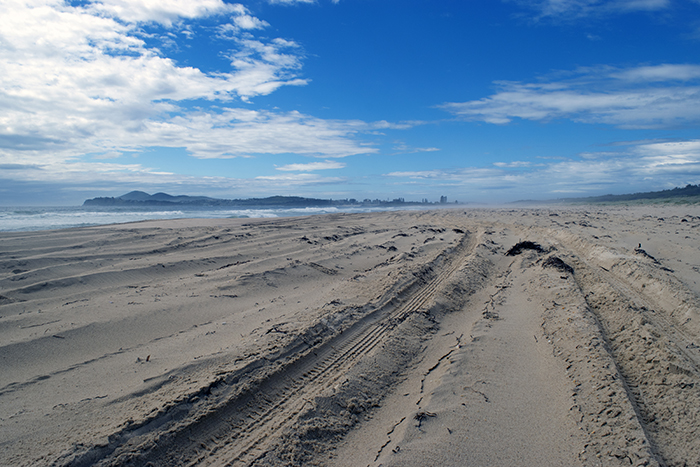
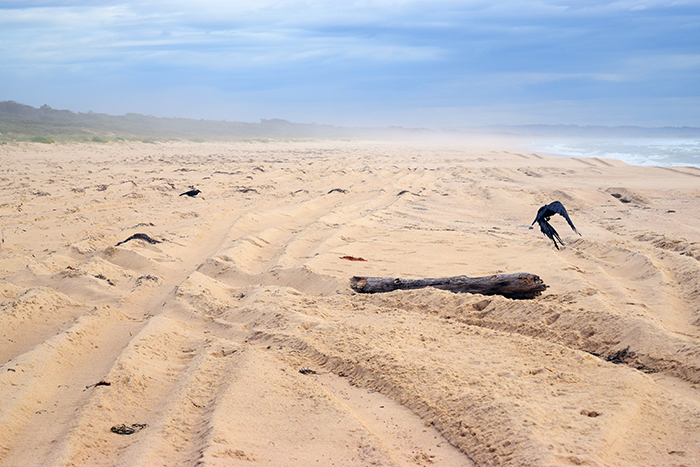
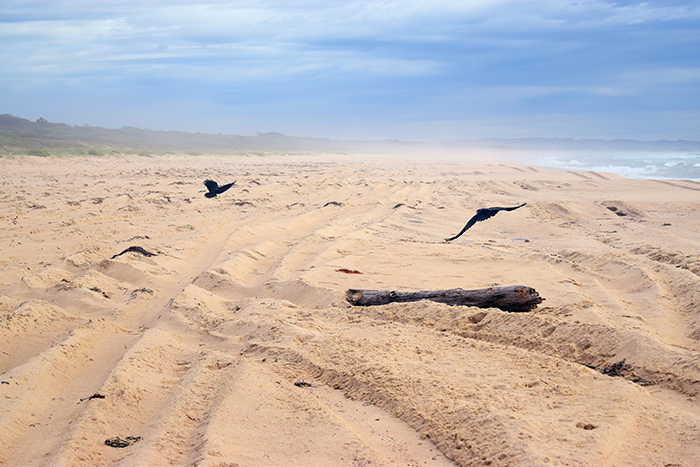
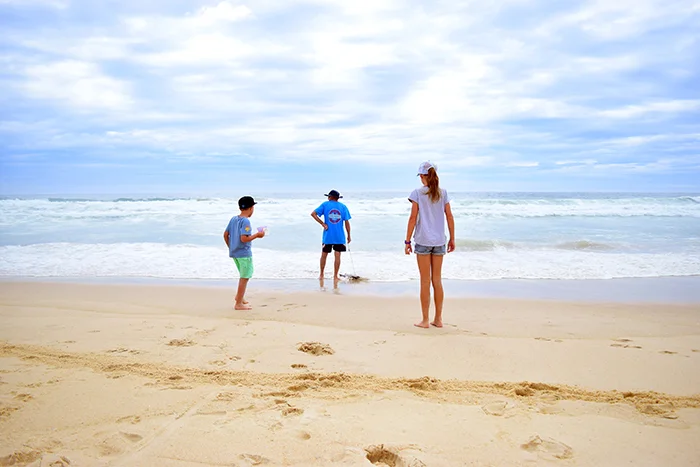
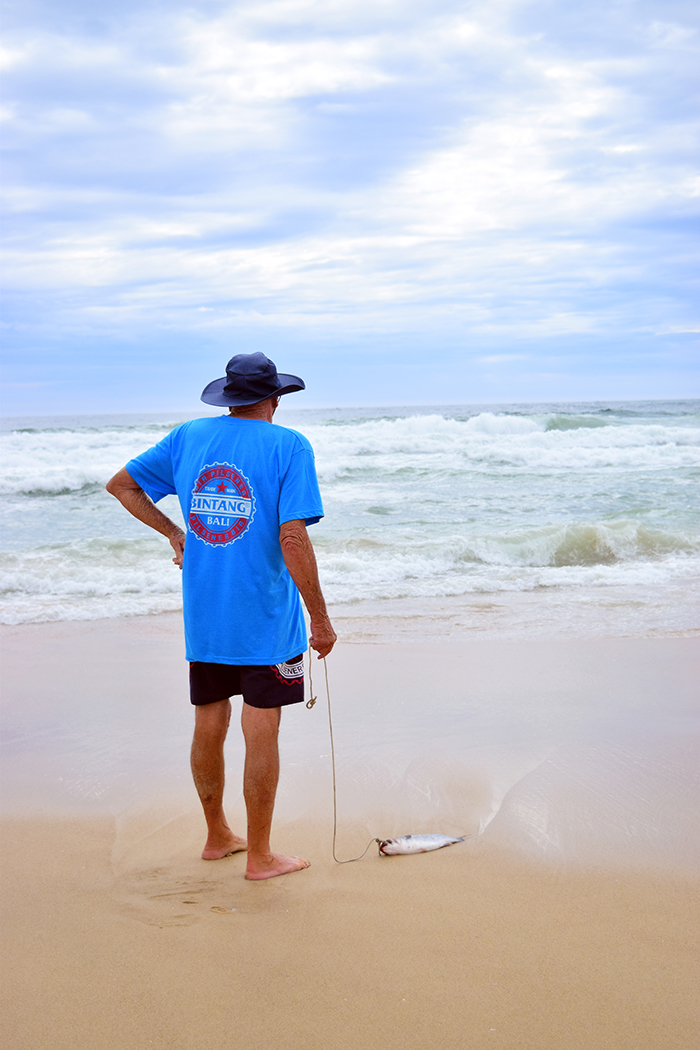
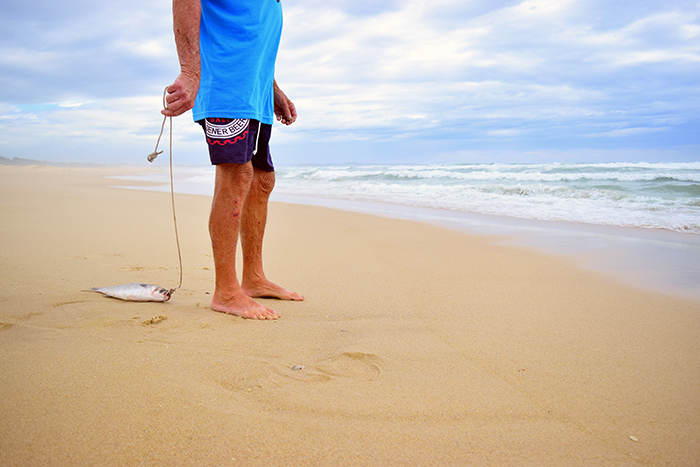
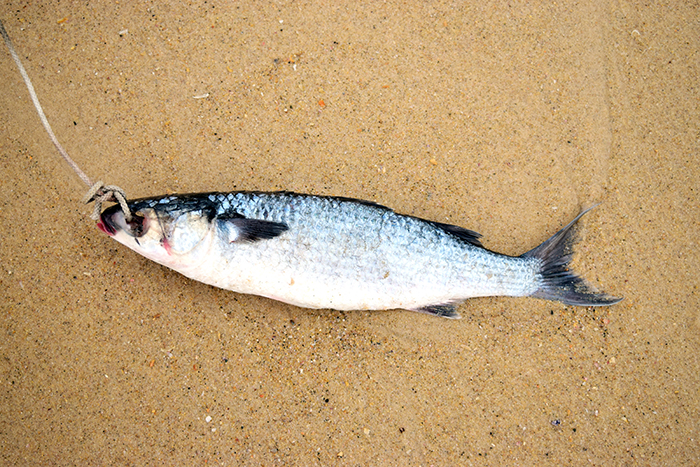
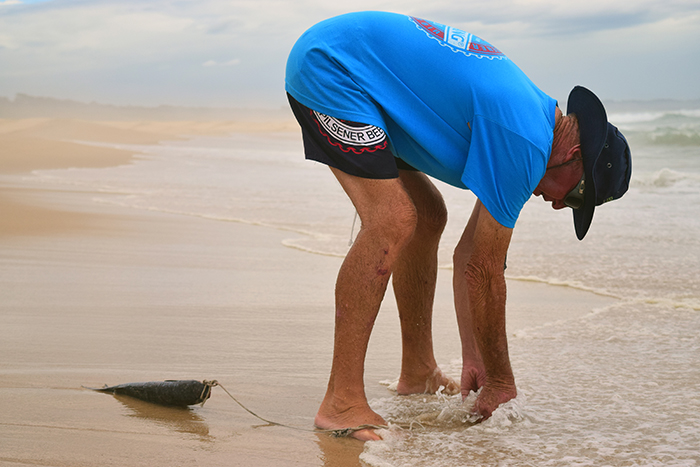
One morning we joined a family for a lesson in worming. It was a muggy day, but the beach was hazy, cool. The surf was rough, and waves crashed hard against the pale sand. We followed Brian, an expert wormer, to the shoreline. He dragged behind him a dead mullet (read: the fish, not the hairdo) with a rope knotted through the spot where its eyes had once been.

One of his grandchildren trailed behind, dug her fingers into the sand and pulled out a mollusk, which she repeatedly smashed against a rock until the shell broke. She tore into it with tiny fingers, ripped out the orange meat inside, and handed it to Brian. He held it in one palm, his other twisted around the mullet rope.

He stood silently where the waves met the sand, staring calmly at the white, foaming break. The frigid water splashed up over his toes but he didn’t wince. His eyes searched the ground around him. Then, in a strange, slow, graceful dance, he began swinging the mullet in loops across the sand. After a minute, he tugged the fish back and we saw the smallest movement by his feet, barely visible unless you were right above it; a worm wiggling its way to the surface and reaching out with teeny bared claws. Brian held the mollusk out to the worm and as it latched on, he tugged upward, exposing more of the slimy creature’s red, tube-like body. He grabbed it between his index finger and thumb, lifted the worm out of the sand, and tossed it in a plastic, yellow sandcastle bucket. We all cheered. 

The afternoon of the fish fry we pushed together several tables beside Courtney’s grandparents’ trailer and dragged over a stack of foldable chairs. We lined the tables with thick, waterproof cloths and set out plastic champagne flutes at the seats nearest our esky of wine. Behind our chatter you could hear birds chirping, waves breaking against the rock walls in the harbor, and hot oil bubbling in the frier on the patio. We sat in front of paper plates piled high with fish and chips and ate and drank under the sun. 

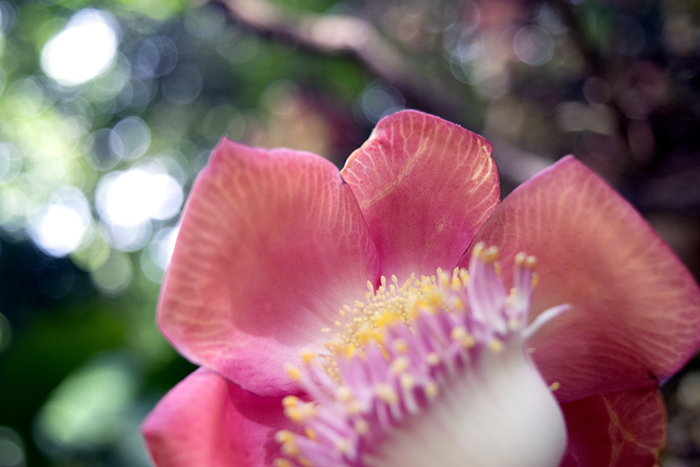
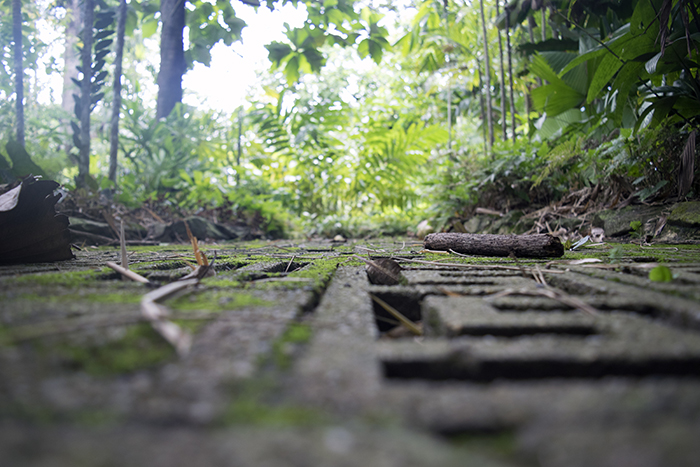
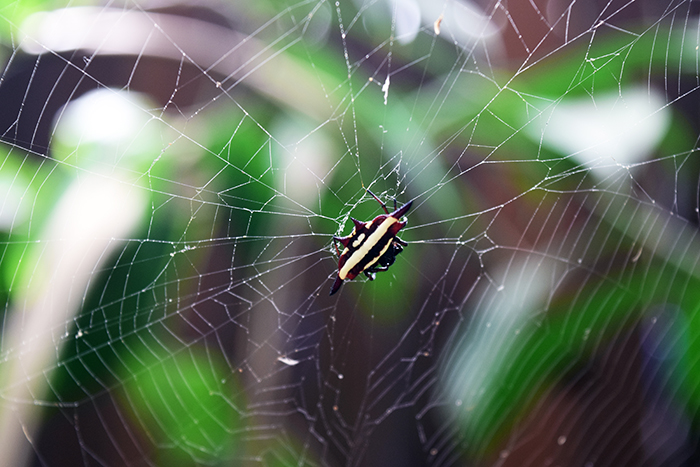
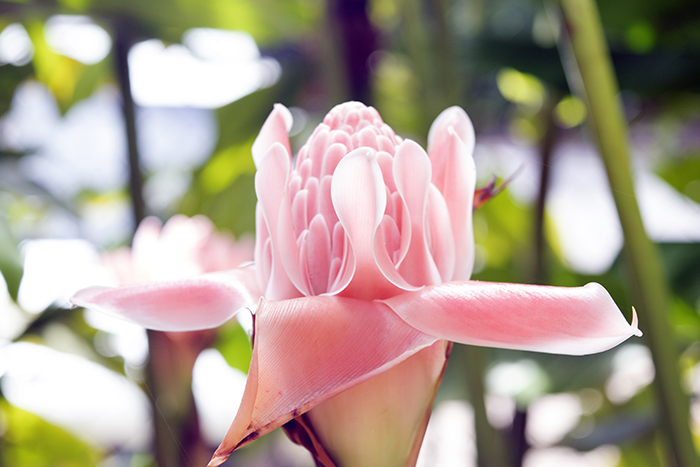
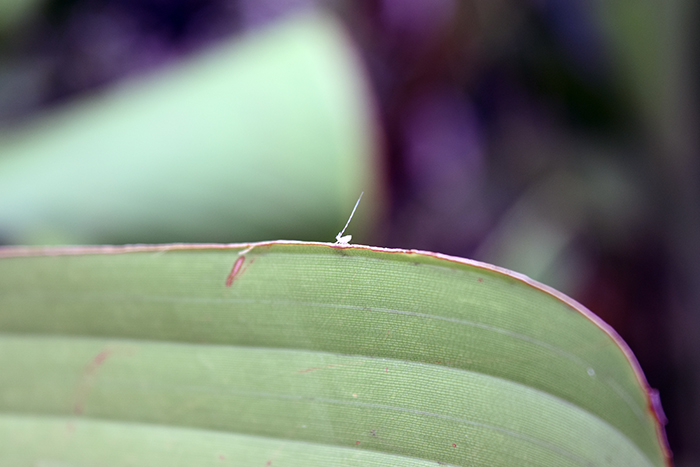
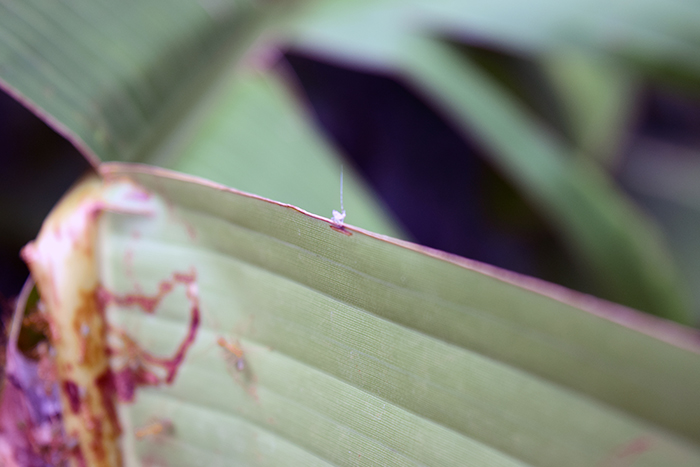
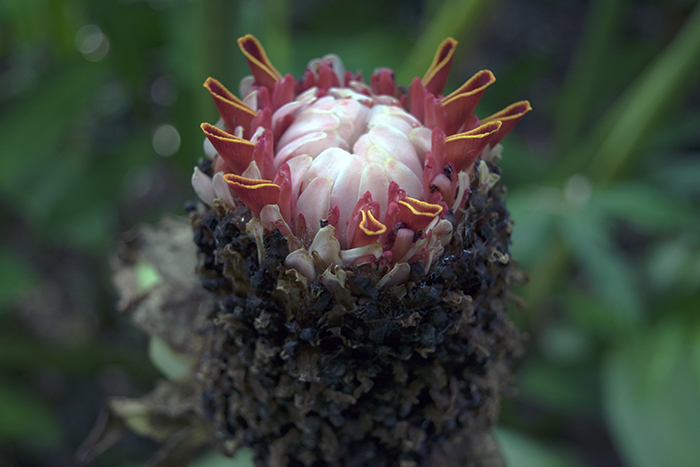
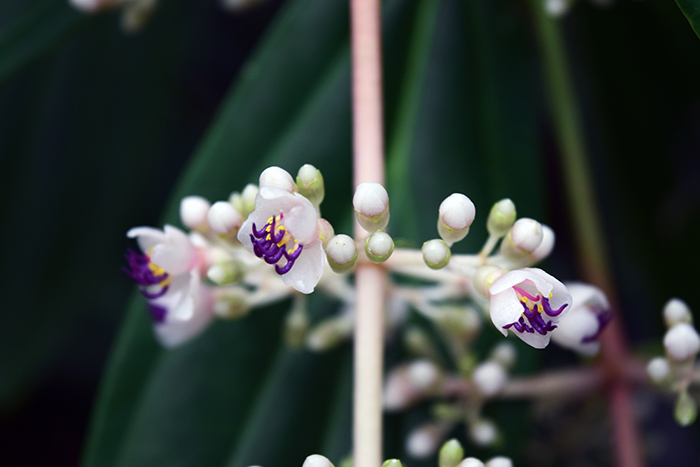
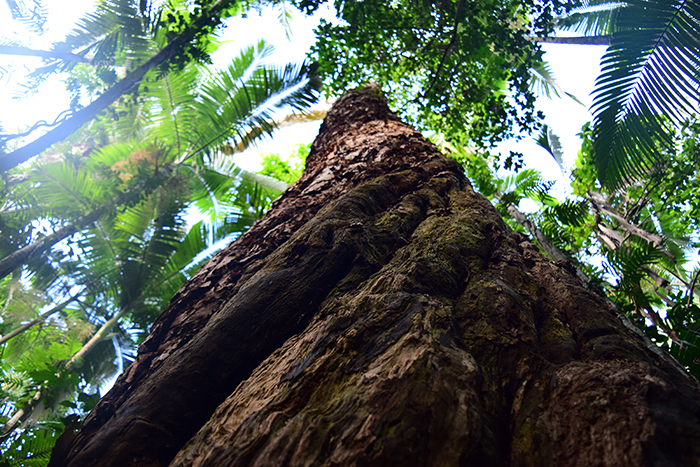
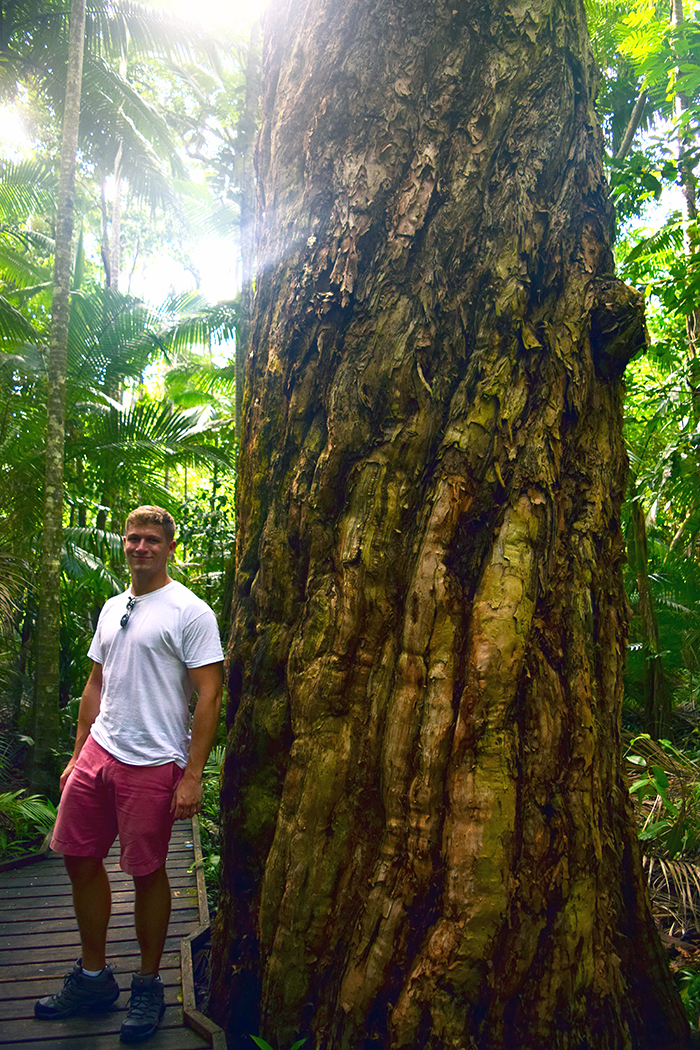
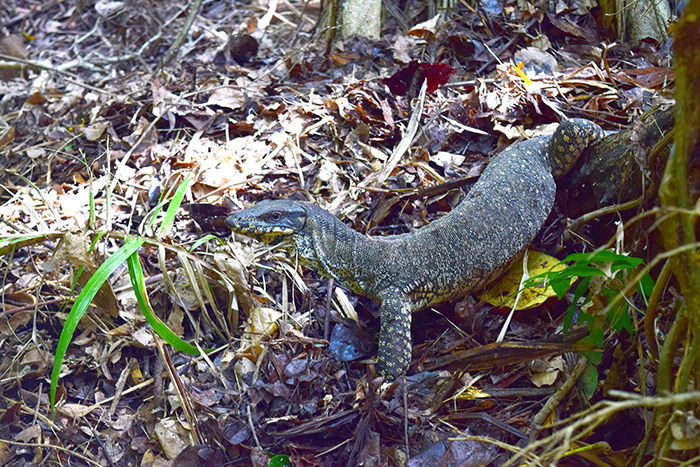
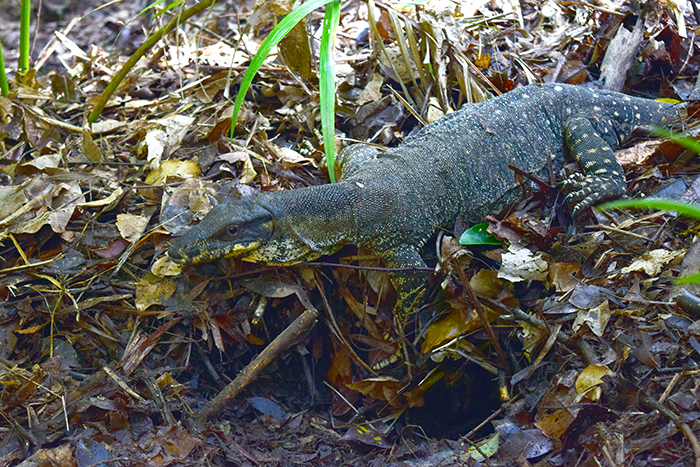
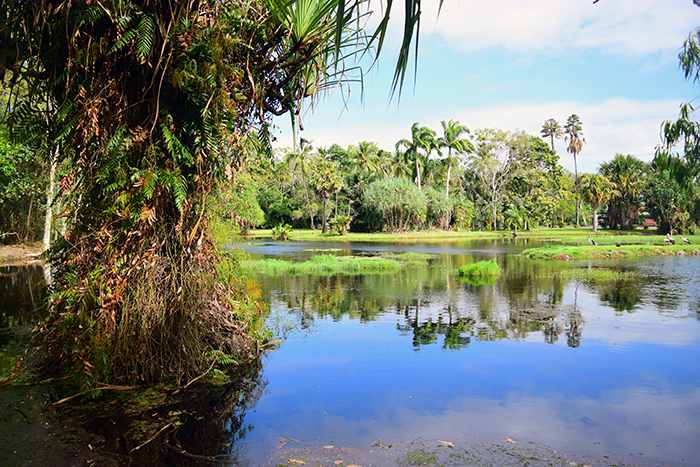
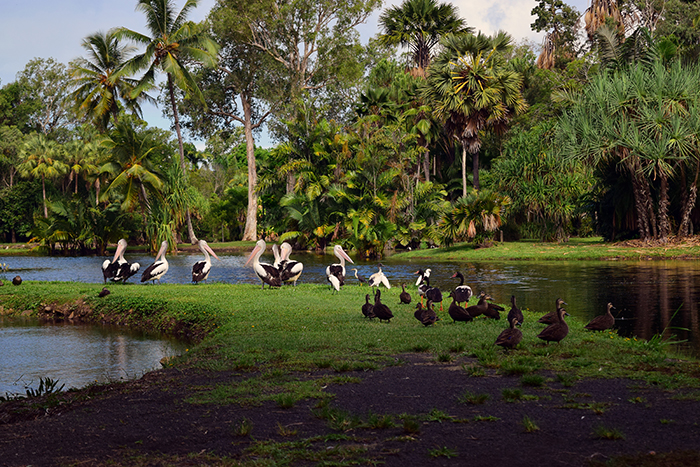
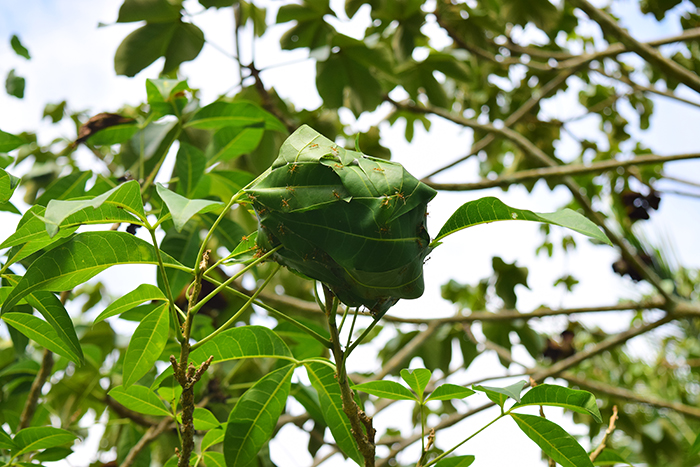
A Gander through the Flecker Botanical Gardens

Location: Cairns, Queensland, Australia

Price: Free! 

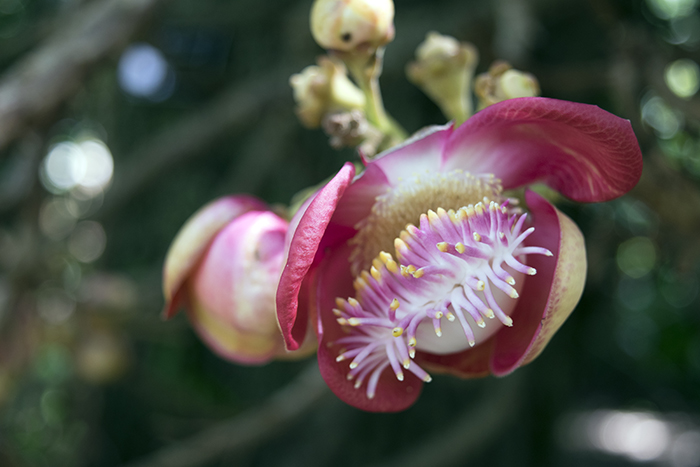
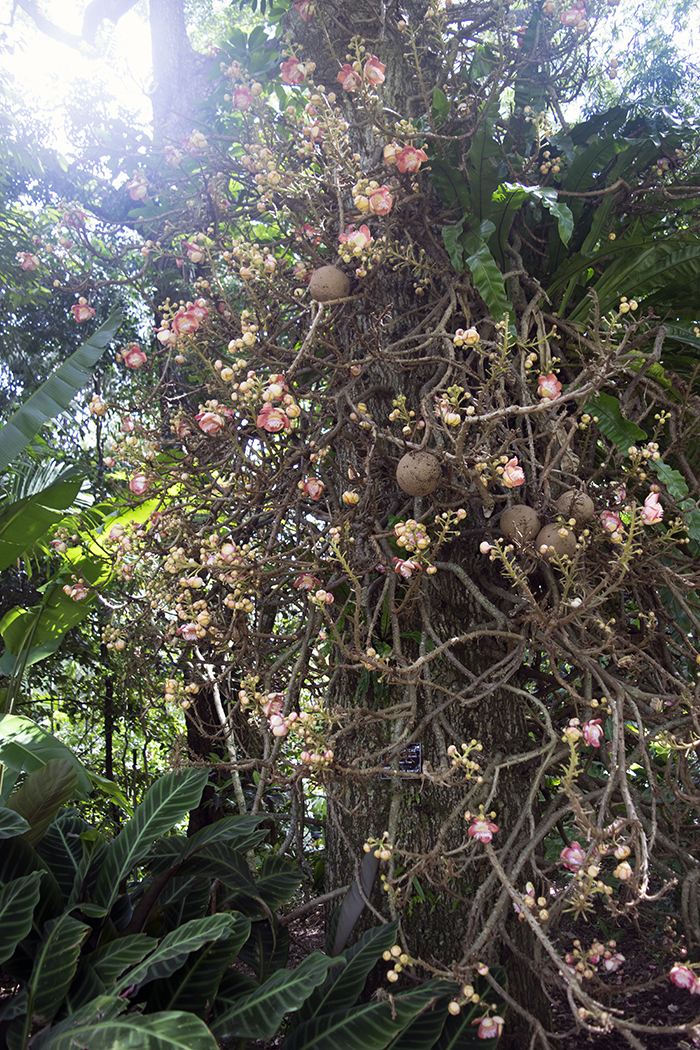
On a Scale of 1-to-10: It's a solid 7. You get to wander through the pristine wildlife collection unbothered by any staff, but much of it is currently under construction. There are also pretty annoying gnats in the wetlands areas, so make sure you wear bug repellent! 

A Week in Cairns


Location: Airbnb in Cairns, Queensland

Music: the sweet humming of the air conditioner we rented for $3 a night

I was told by my Australian friends that Cairns (pronounced “Cans”) was a shithole. I think now that they were just mad at us for leaving. Anyway, that was all I knew about this tourist haven in northern Queensland before Cody and I arrived the afternoon of January 5. I imagined it as a teeny-tiny, quiet town, whose only purpose was to serve as an easy access portal to The Great Barrier Reef. That’s why I came, anyway — to see the seventh natural wonder of the world before it was inevitably despoiled by climate change, the way so many other reefs have been in the last two decades. 

Now that I’ve been to Cairns, I don’t think I’d come back just for the city itself, but it’s definitely more than a simple gateway. It is pretty small, physically. It has a population about the size of Rockford, Illinois (another small town you’ve never heard of), and all downtown spans only a few long, colorful blocks. Walking down one of those you can hear a dozen different languages spoken by visitors from all over the globe. The layout is definitively touristy— strips of surf-wear shops, hostels, travel agencies with good-looking young people out front trying to lure you into a pitch, hippie textile stores, trendy bars, and Asian restaurants. 

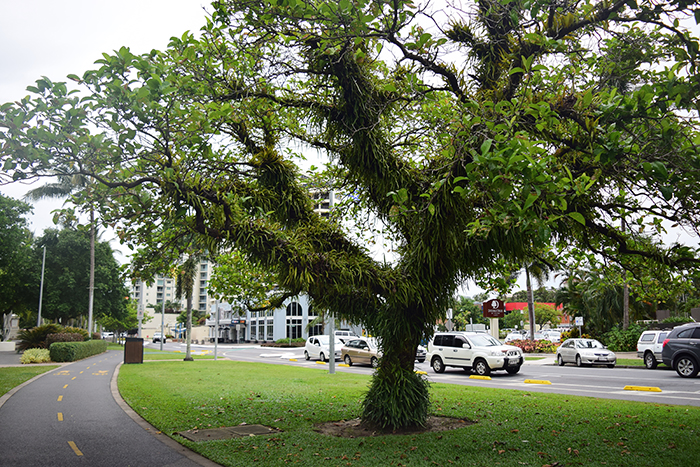
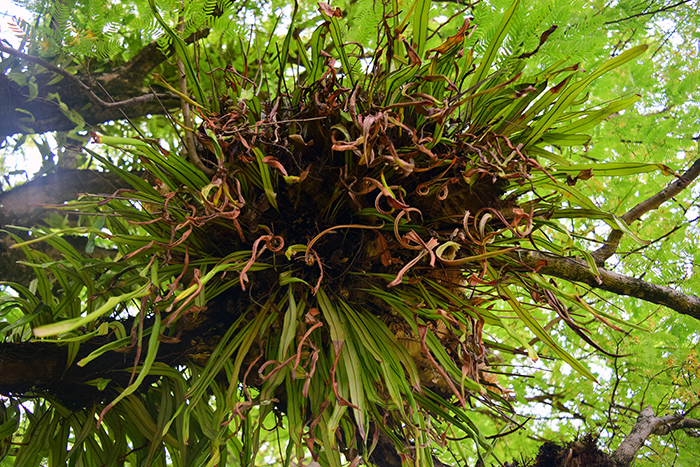
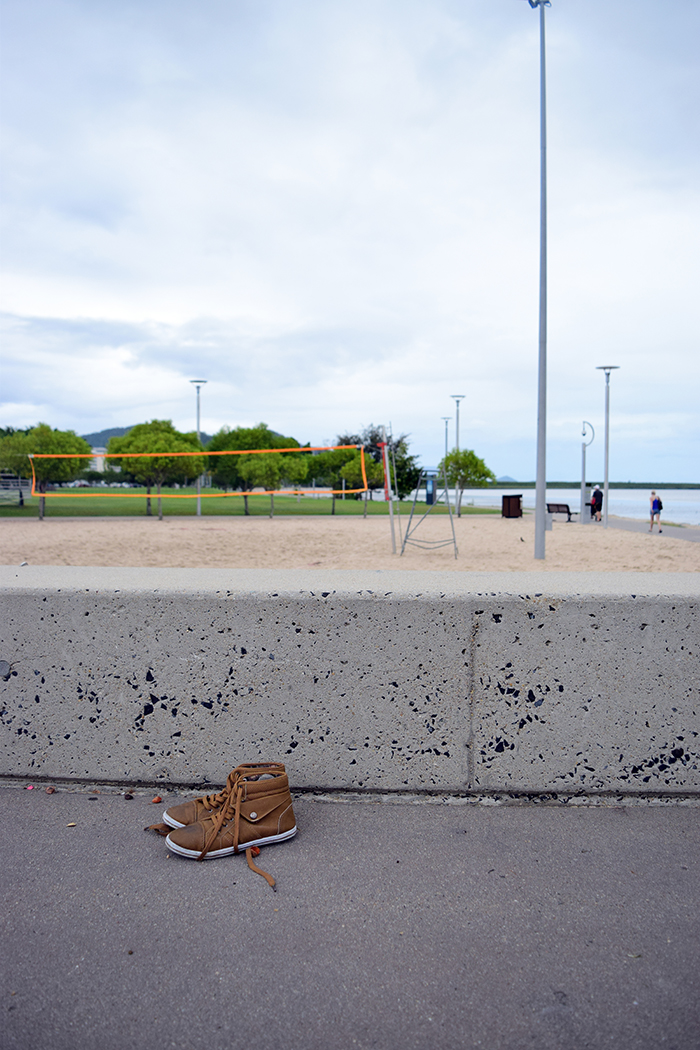
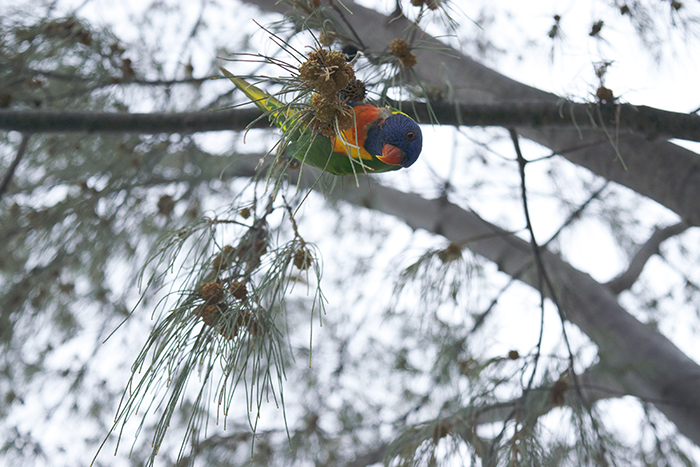
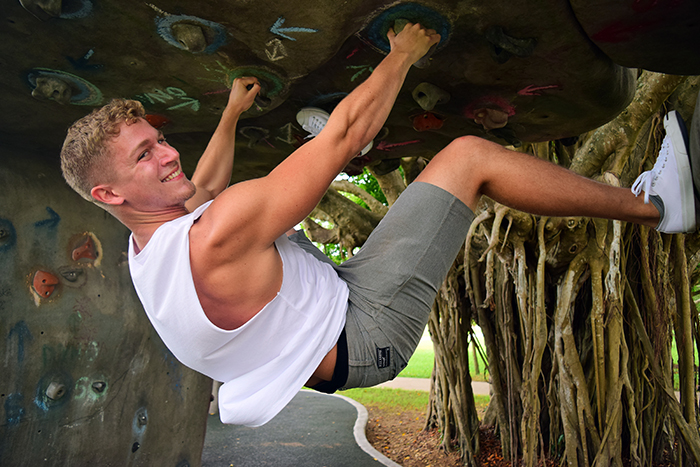
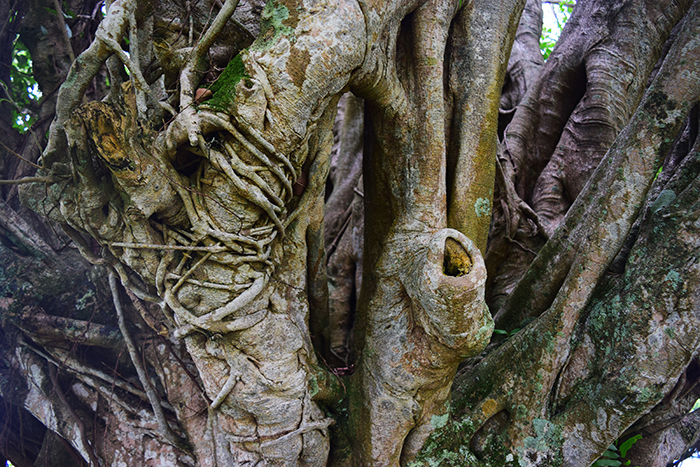
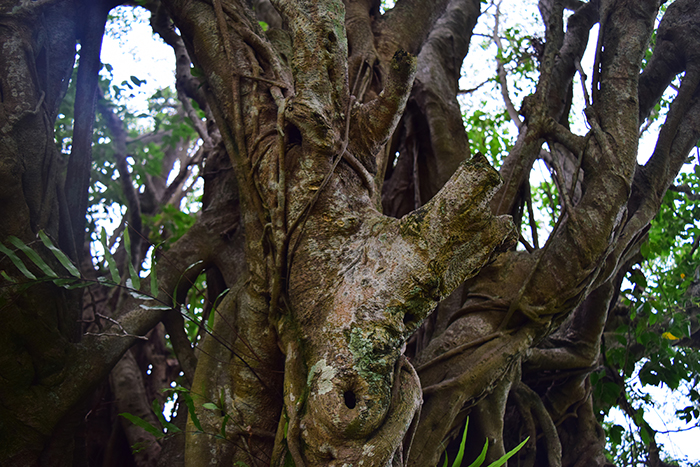
But it serves its purpose, and some might say it’s the right kind of touristy. There’s still a lot of personality peeking through the gimmicky surface. There are jungle gyms and skate parks all throughout the center of town, grassy areas for picnics along the esplanade, benches for romantic moments staring out over croc-infested waters, a sandy beach volleyball area, and even an indoor marketplace that only opens at night with a self-serve Asian food court (like 10 Chinese buffets put together). The streets are lined with tropical trees and the creatures that inhabit them; there are five-story tall figs with huge bats hanging where all the fruit should be, doves coo at you from nests in thick branches coated in moss, and the subdued greens of the pines by the water are brightened by rainbow-patterned parrots. There’s also a huge mall at the edge of downtown: The Cairns Central Shopping Center. It’s probably the biggest building in the area (like most Australian malls) and it’s always bustling with shoppers. They might all just be there for the free air conditioning.

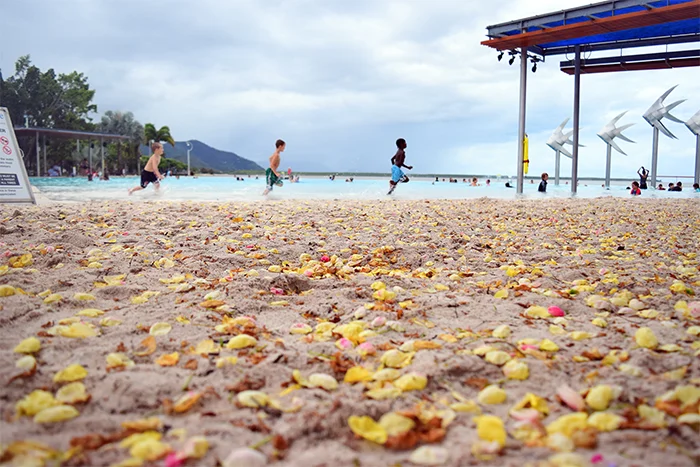
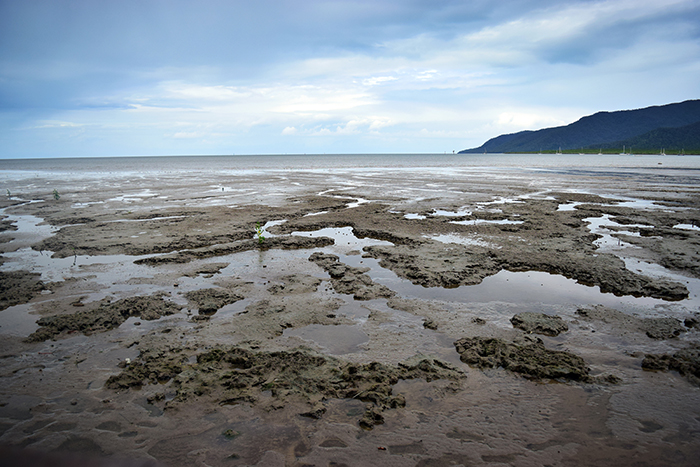
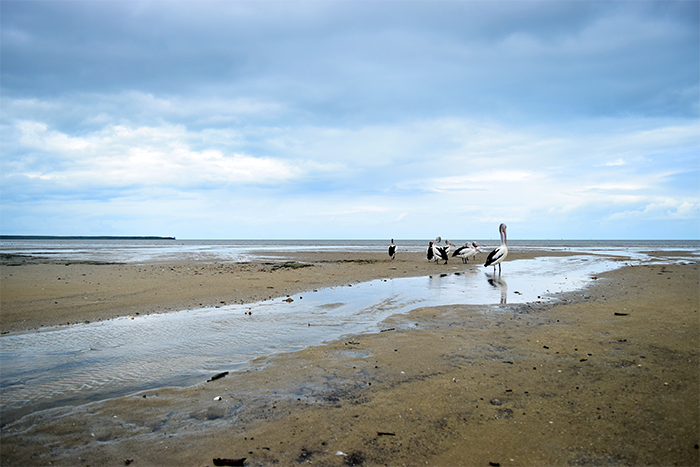
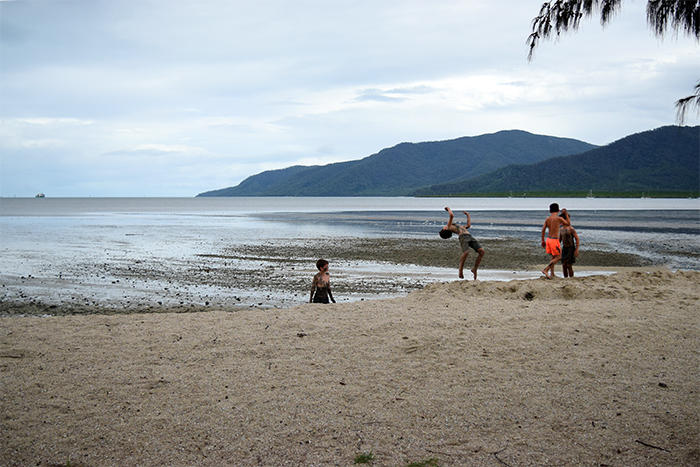
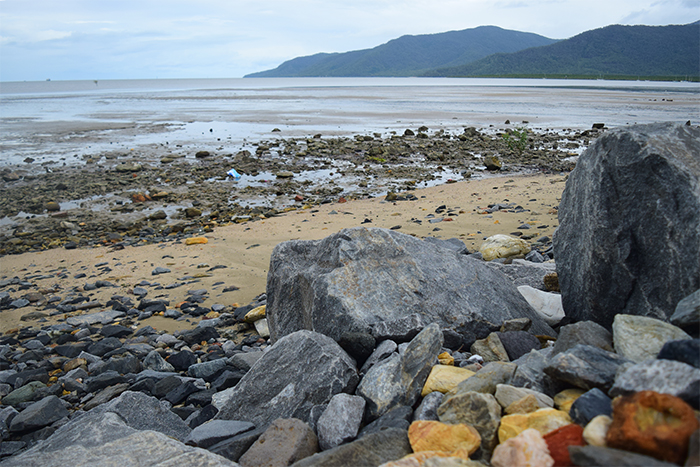
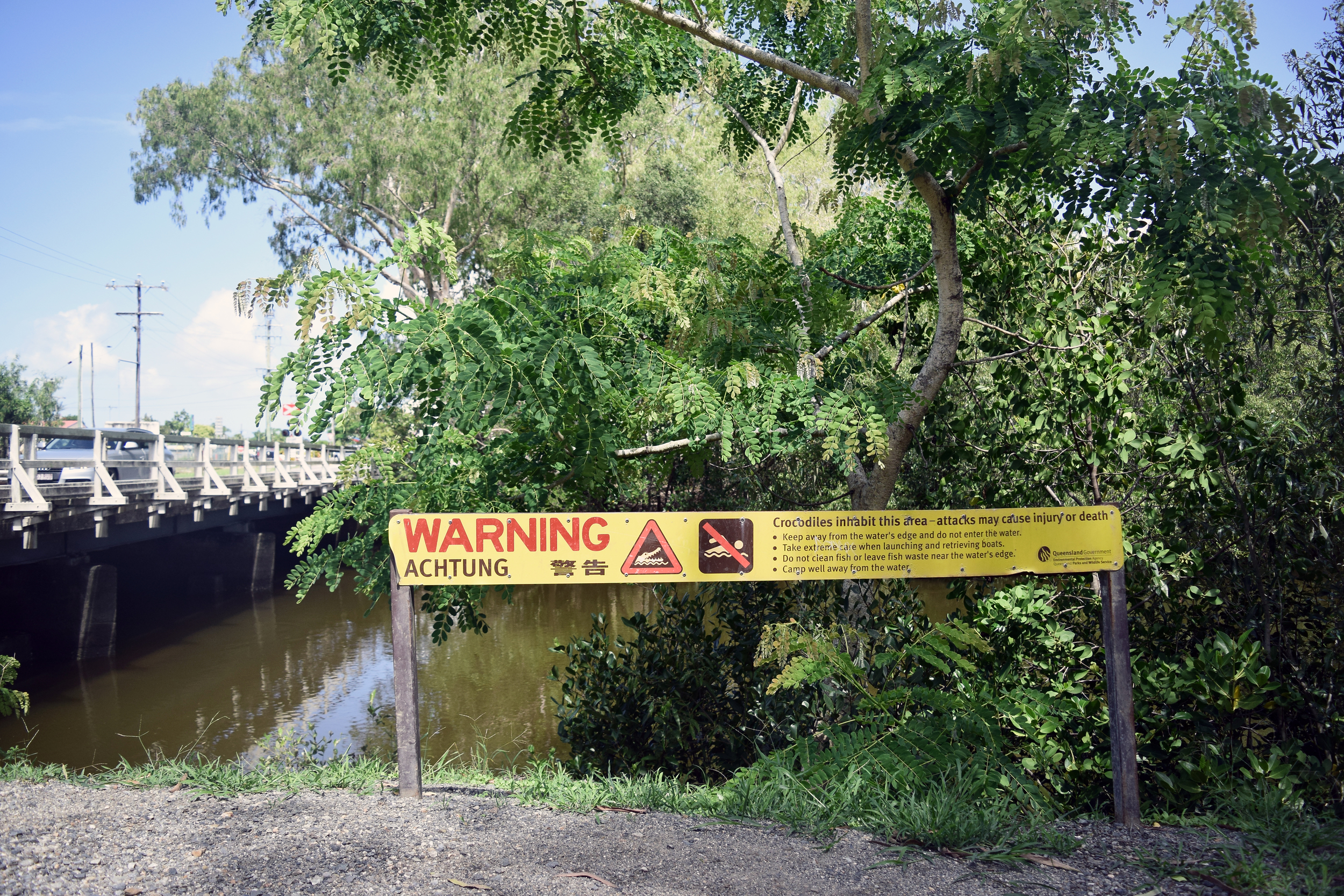
Cairns doesn’t have a beach on its coastline: just a gritty, brown-gray mudflat that stretches out below the boardwalk platform until it reaches the calm, murky waters of the bay. Interestingly enough, it once had a very typical Australian shoreline (cerulean waters, sand the color of old paper), but that disappeared after a hundred years of dredging the harbor.* There’s also dangerous wildlife around, like crocodiles, jellyfish and poisonous snakes, that keep tourists and locals out of the ocean. As an alternative, Cairns has a manmade, ice blue saltwater lagoon. It’s about as picturesque as it gets. The water is shallow, the bottom is covered in ivory sand, and it overlooks the nonexistent beach, the nearby marina, and the lush mountainsides that are visible from every point in the city. Children splash around while parents rest nearby on the grass under the shade of palm trees, already looking exhausted from their vacations. 

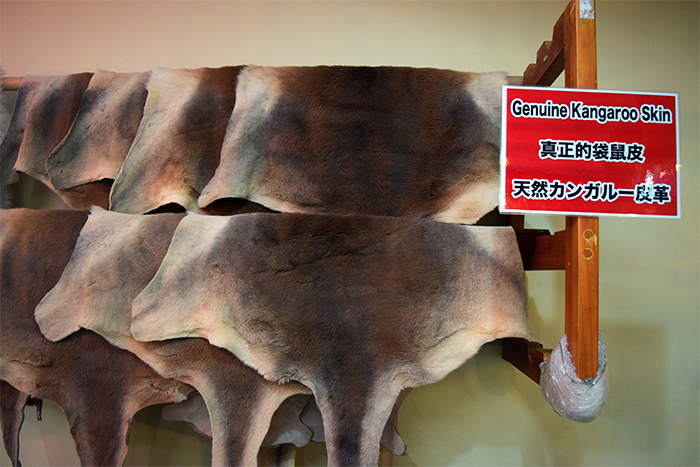
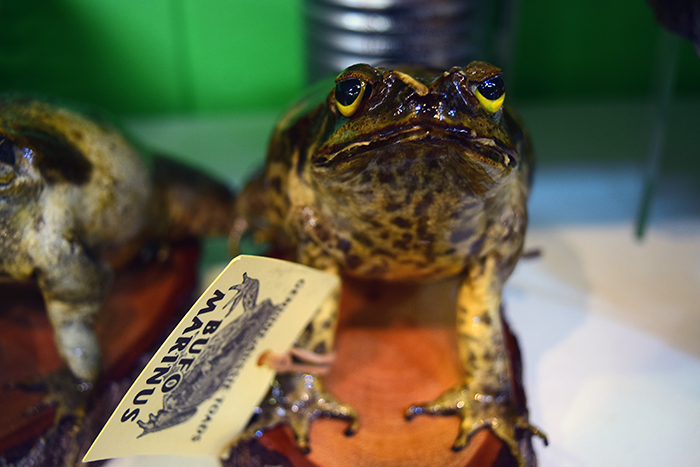
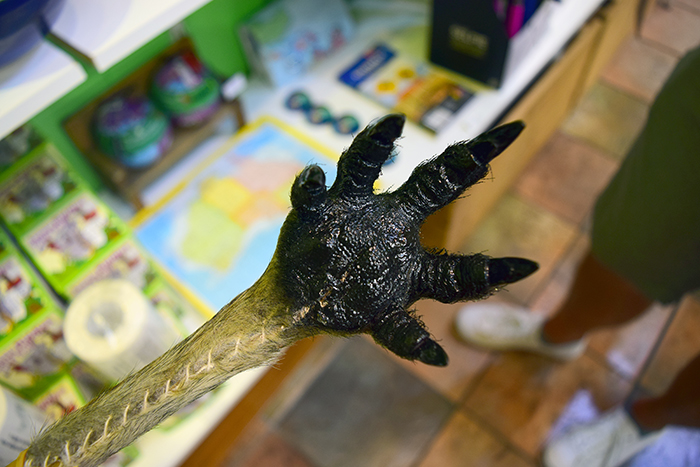
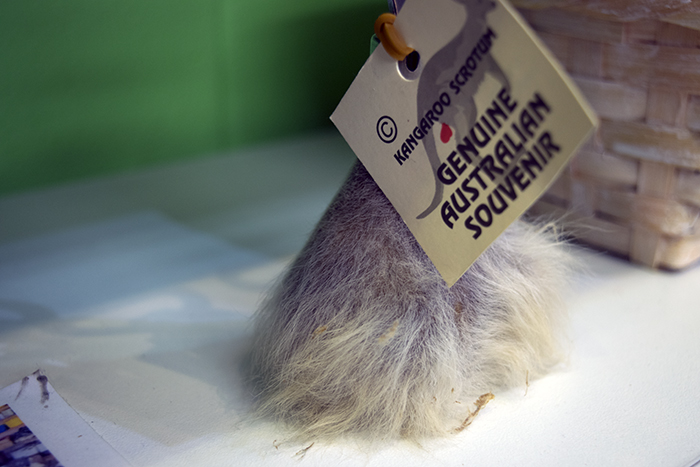
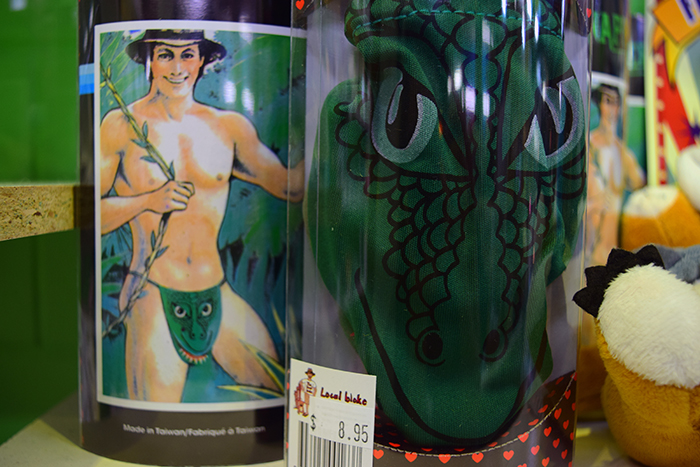
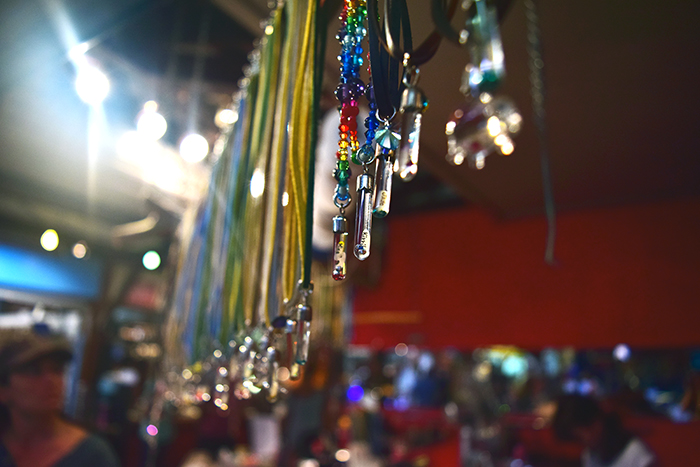
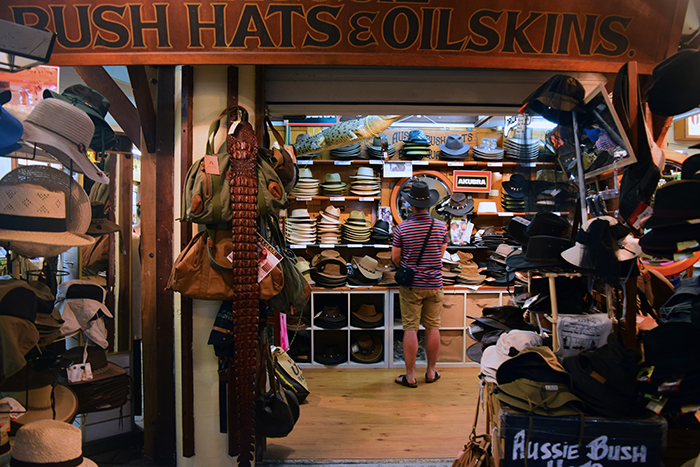
My favorite part so far has to be the sprawling Asian night markets. The steel security screen doors roll up at 4:30PM, seven days a week, and the stalls underneath stay open until around 11PM. There are plenty of entertaining knick knacks to enjoy, from kangaroo scrotum bottle openers to classic Crocodile Dundee-style hats to Emu jerky. I’ve been to a lot of touristy places in Australia, but this was the first spot I found with kangaroo pelts for sale. There’s also fresh fruit, stalls where you can get your name written on a grain of rice and put into a necklace, and two halls dedicated to Chinese and Thai style massages. It’s a fun place to just wander around in, take a break from the muggy air outside, and have a laugh at all the kitschy stuff. 

But if you leave the inner city and visit any of the surrounding suburbs, you can see why property prices are so low. There’s not a lot going on; just empty highways that lead into the mountains, crocodile-infested rivers, and long blocks of half-abandoned strip malls. On Friday night, Cody and I ate at a highly rated Thai restaurant within walking distance of the CBD and we saw only six other patrons throughout our meal. The neighborhood we wandered through on our way back to the inner city was completely silent; no other pedestrians and barely any passing cars. I was surprised. It’s the middle of Australia’s summer. You’d think this place would be teeming with tourists. But if so, nobody goes further than the mall. All the vacation stuff is packed into the waterfront. But I wonder if that actually benefits Cairns residents, whose economy revolves around the tourism but whose day to day lives don’t have to involve the hassles that usually come with it.
Overall, Cairns is different from any other Australian city I’ve visited. It’s a lot more international (which of course comes with hosting a famous tourist destination) than most cities its size and its downtown is manufactured for vacationers. It’s close to the marina where all the yachts take off for The Great Barrier Reef, there is plenty of people watching to do, and anything you need for your vacation can be bought at the mall. I recommend it for anyone interested in four to five days of an exotic (but not too exotic) vacation. However, would I live in this tropical city? Probably not.
* As a side note, the city has talked about replacing the original beach, but environmentalists protest that the mudflats have improved the health of the area’s mangrove ecosystem and existed long enough to become home to thousands of marine creatures. They say that transforming the beach back to its original state would be “environmental vandalism.” It’s a unique debate about the ethics of artificial ecosystems. http://www.cairnsesplanade.com/story.html

Travel Tips: 

  • Airbnb is an awesome way to find cheap accommodations, but always check the reviews for any potential spots before you rent! Make sure you’re not actually just staying in a hostel that’s been falsely advertised as a private room in a home. 
  • What’s the point of saving money if you never treat yourself? When the time is right, splurge. Budgeting is key to any lengthy backpacking trip, but there are certain experiences where you get what you pay for. When you’re visiting something particularly unique, like The Great Barrier Reef, don’t let penny pinching get in the way of an incredible memory. Do a dive, pay for the boat with the highest rating, get the most out of your adventure.
  • If you’re going to visit somewhere as unique and complex as The Great Barrier Reef, your experience is probably going to be awesome no matter what. However, if you get the chance to take a background class or short lecture about it beforehand, it’ll enhance your experience by a tenfold. There’s a reason marine biologists from all over the world are fascinated by this place, and they’re happy to let you in on the secret.