A Local Party Crash

Location: Pakse, Laos

Many well-known tourist destinations in Southeast Asia are just that: strips of souvenir shops, cafes boasting overpriced “English style breakfasts,” bars owned and operated by Western staff, and booking agencies with long lists of tour guide services for the nearest attractions. What often begins as a haven for those searching for culture shock becomes a place accustomed to the foreign traffic. Many oft-visited communities even warp themselves to cater to the constant influx of sight-seers rather than represent the traditional culture. 

This isn’t necessarily a bad thing. Tourism brings money to locals (or at least we can hope - re: Cambodia), provides jobs in the community, and is simply an unavoidable side effect of globalization. It can be and often is extremely positive, both for the community and those travelers experiencing new places and things. And there’s also no denying that an English-style breakfast, hash browns and bacon included, can be a rare, welcome treat after months of fried rice, instant noodles, and unidentifiable meat substances on skewers. These creature comforts are something to fall back on after spending weeks in constant movement between sights, slowly becoming consumed by the tiring (but also addictive) daze of culture shock. 

But then there’s the routine, the trap so easy to fall into when you’re traveling.

As a backpacker, you’re also often looking for the cheapest, most easily accessible accommodation possible. This leads you right to hostels in tourist districts, which cater to your budget and are often great environments for meeting others who are on the same kind of journey. The hostels host irresistible happy hours, i.e. free beer from 6-9. When happy hour ends you travel to the nearest bar or club to continue the party…which is also where every other young Westerner is heading. You wake up late in the morning, hungover, stumble over to the nearest food joint, the one with the “English-style breakfast” that your stomach so desperately needs, and you barely have enough energy to make it to through the tourist destination stuff you came to see. Then happy hour starts again. It’s a not-so-vicious cycle. But sometimes you begin to wonder what you’re really experiencing and if it’s possible to meet locals that aren’t trying to sell you stuff. 

Or at least that’s what was going on in my head in Pakse. 

Where do the locals hang out? There’s obviously twenty-somethings in this city. They must all go somewhere to party. 

Well, I found exactly where they go. Baby did some research, found out there are only two documented dance clubs in Pakse, and when we read that it was mostly locals, no tourists, everyone was on board. But first, we had to get there. We wandered onto the street around 10PM, charging on the bottle of whiskey we shared during our pregame session.

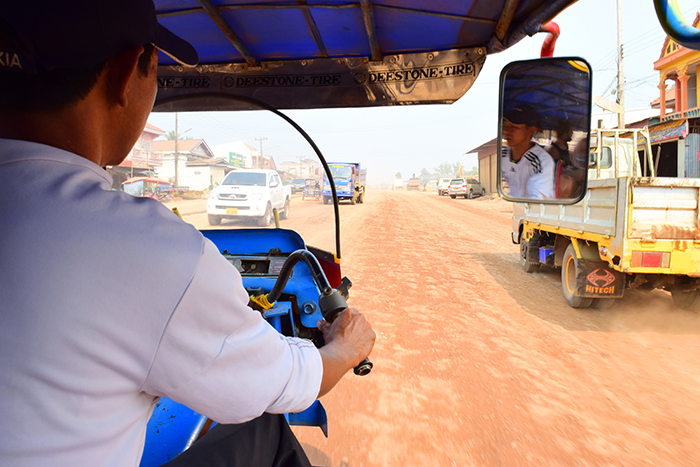
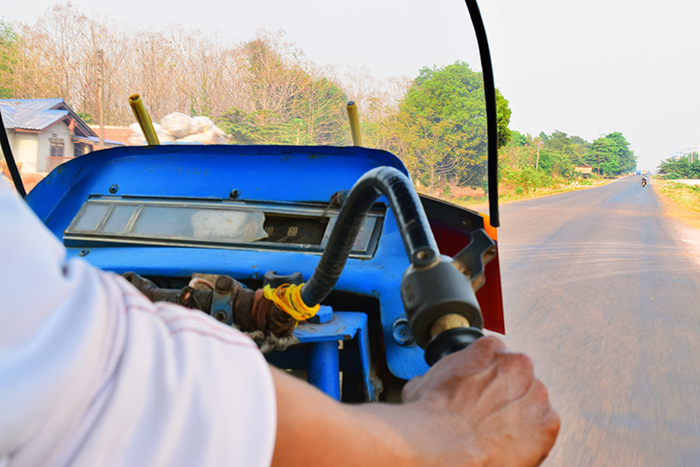
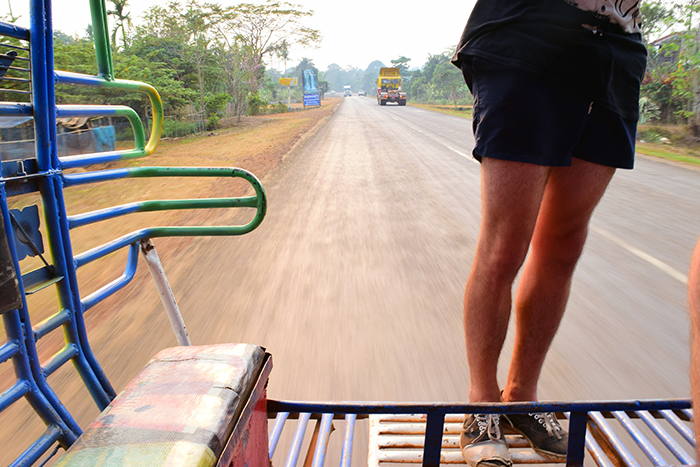
There are strange, obviously-homemade motorbike-taxi contraptions in Laos that lend themselves to this kind of mission. It’s a motorbike with a wooden platform on wheels attached to it. The platform has a wooden seat big enough for one to two people and is covered by a thin, painted metal awning. I would say the government recommended passenger limit would just be a short note about how the thing must be burned immediately and never ridden on the street. Well, that night we could only find one that offered to take us to the nearest club, a place called King J, about three kilometers away. When we said we had a group of five people, the smiling Laotian man waved it off. Same same but different, right? 

Baby rode double with the driver, I sat on the seat with Caleb, and Cody and Jack sat on the wood platform, holding their legs out in front of them. 

It was the scariest mode of transportation I’ve ever known. And I was in a motorbike crash only a couple weeks earlier. 

When we made it to the club, a green-purple-silver flashing building with disco squares on both sides of the entrance, the driver let us know he’d wait for us. Inside was a visual and auditory explosion. Laser lights flashed in every direction and hardcore EDM blasted out of the speakers. The DJ was on a huge stage and, unlike dance clubs in Western cultures that have open floors for getting down, the center of this one was filled with tables and people milling about, pouring whiskey into glasses with ice. 

Nobody was dancing.

Well, that’s not totally accurate. We were dancing…to the amusement of everyone around us. Laotians snapped photos and a few of the less inhibited ones joined us for our dance party. We were given free drinks by laughing locals, shared cheers over iced whiskey and partied well into the night.

And don’t worry my fearless adventurers! I’ve made up a little guide for you to check out and become a local party crasher expert as well! 

Now, before you read the following instructions for your own local party crash, I am obligated to warn you that this kind of activity isn’t for everyone. You will be surrounded by strangers who don’t speak English, who can’t understand you and come from a completely different background. You’ll need to be quite skilled at hand gesturing and reading body language. You’ll also need to be competent enough when you’re totally smashed to remember cultural norms and be respectful. Lastly, when a local pours you a free drink, whether it be a mixed drink from a bar (rare) or a tin cup that’s been scooped into a bucket of his cousin’s moonshine, you man up, cheers them, and drink it with the same willingness that they do. Bottoms up! 

A Local Party Crasher’s Party Crashing Guide

  1. Visit a medium-sized city, possibly a capital of a small country, business center or stopover destination. Just something that’s not a normal tourist district. For instance, Pakse, Laos.
  2. Look up nightlife. Can’t find much about it outside a couple reviews of local joints that stay open all night? Good! 
  3. Pregame for your big night out. Local clubs are actually usually quite expensive. So make sure you either have a good amount of cash on you or take the cheaper route and down  quarter bottle of local liquor in your hotel room. 
  4. Find a willing tuk tuk driver that speaks 10 words - 10 sentences of English. Make dancing motions and say “dance, dance, club, drink!” Warning: he will probably laugh at you. It’s best to be at least tipsy for this part. 
  5. Allow said driver to take you to the nearest local club. If it’s not surrounded by motorbikes and doesn’t have at least one large, flashing neon sign, you’re in the wrong place. 
  6. Enter the club, make friends, and dance (respectfully) with the locals. 
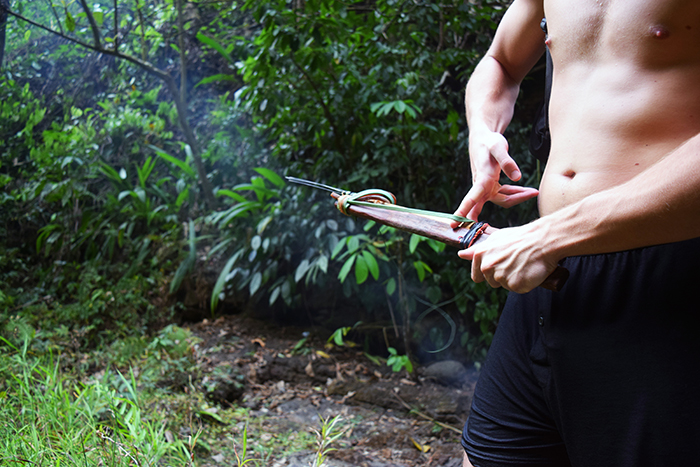
Innovation at its Finest: Check Out This Homemade Spearfishing Gun

Location: Pakse, Laos

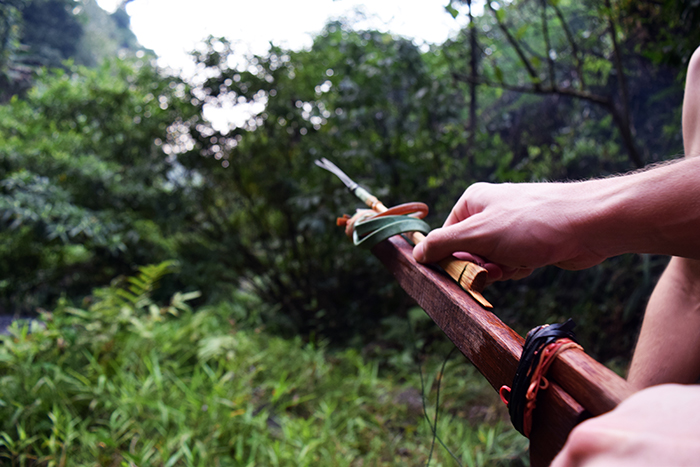
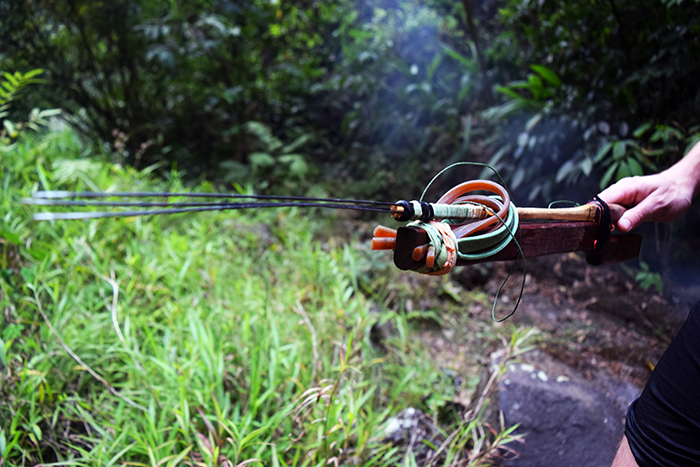
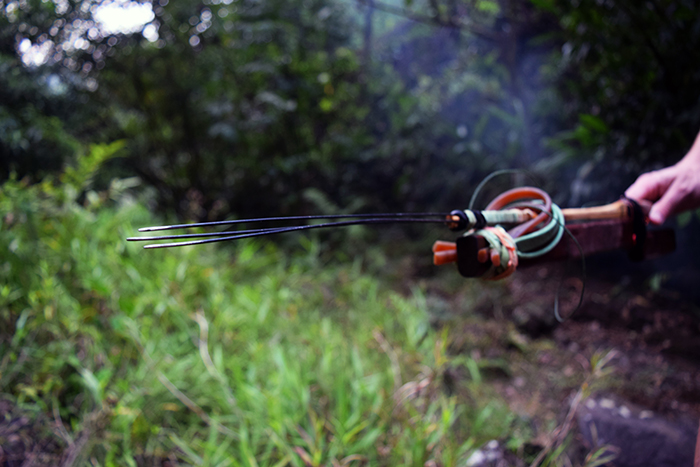
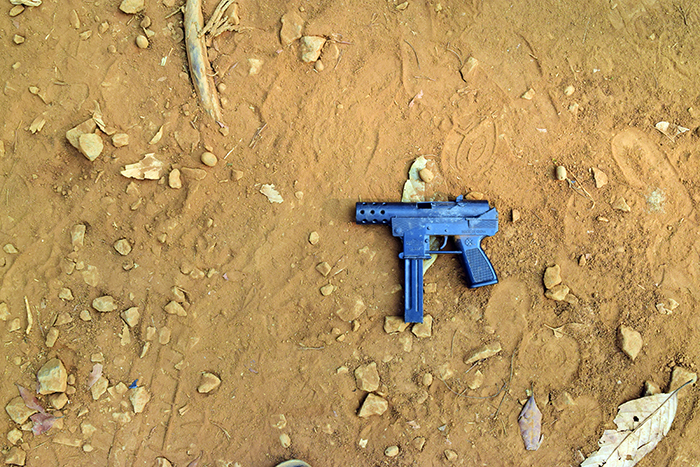
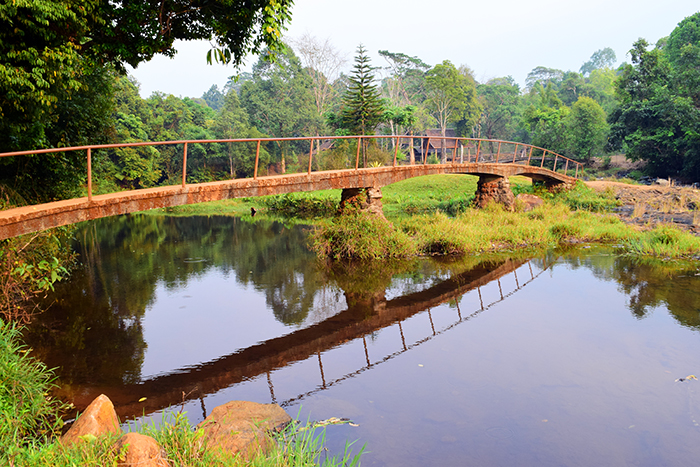
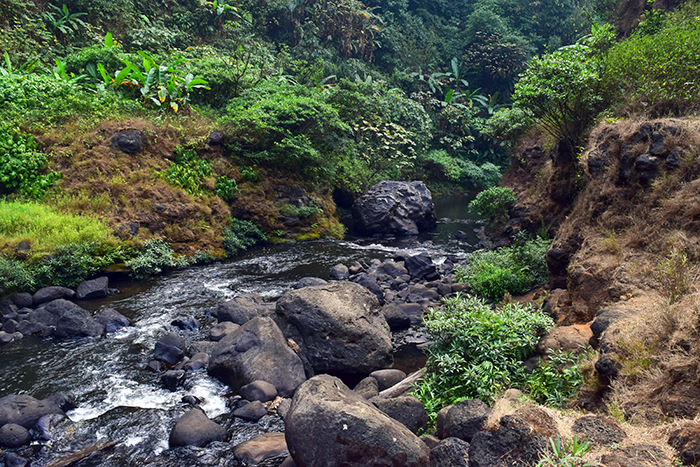
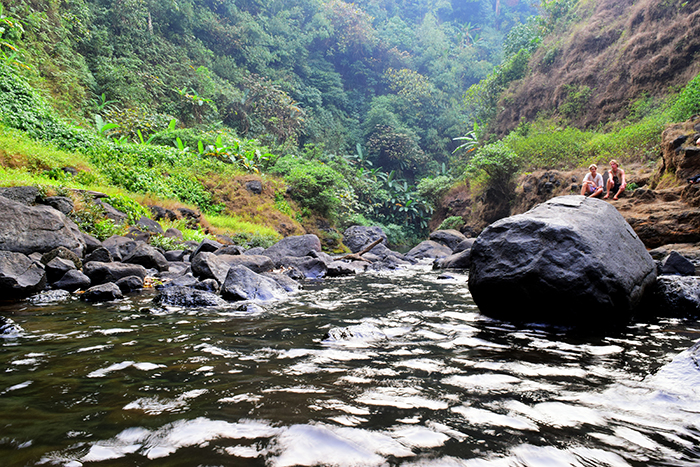
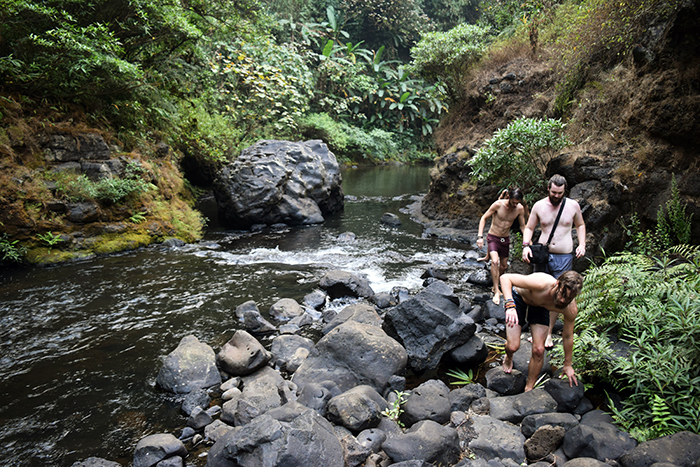
We were wandering downriver from the waterfalls outside of Pakse when we stumbled across two young boys in their skivvies, one holding this homemade spearfish gun. The other wore a pair of old-school circular goggles, the kind that's just a single, oval pane of glass that covers your eyes and nose. 

As we approached, the two clambered through the bush and up the hillside, leaving behind a pair of flip flops, the ashes of a recent fire, and their gun. I wasn't sure if we frightened them just because they don't often see Westerners exploring this part of the jungle or because spearfishing is illegal in the area. 

Either way, it was really cool checking out the fishing equipment. And don't worry! We put the gun right back where we found it. 

A Wonderfall Surprise

Location: Pakse, Laos

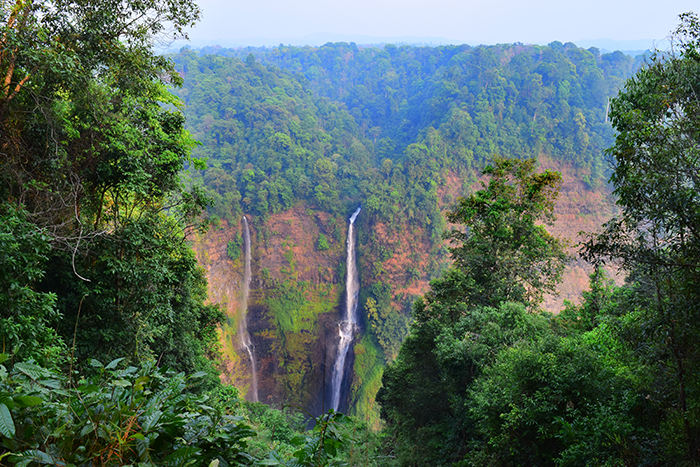
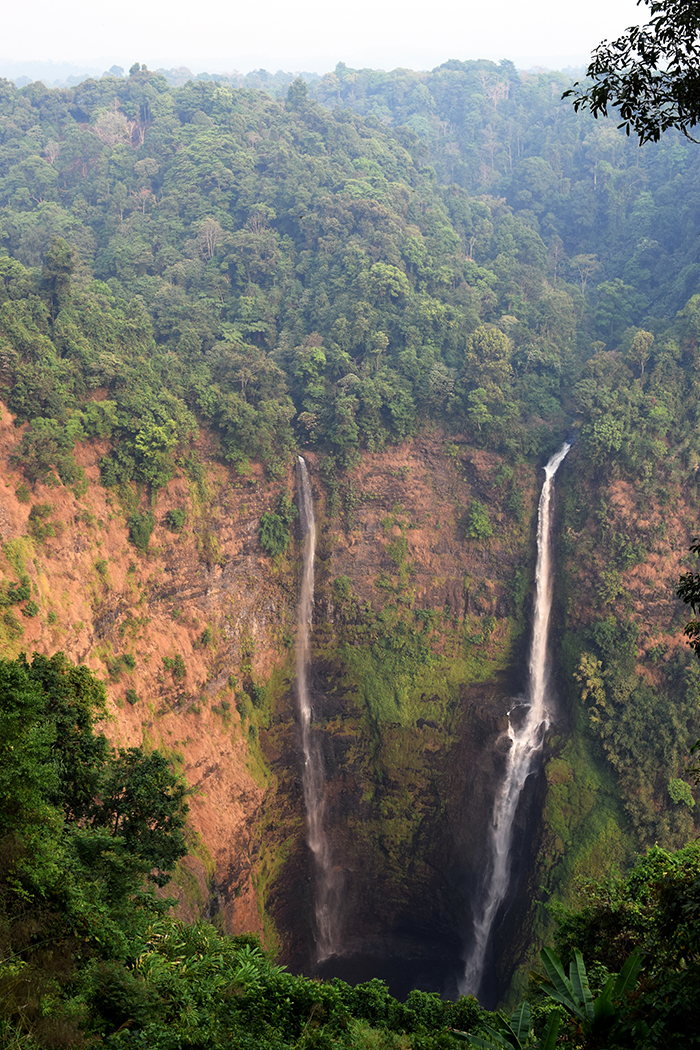
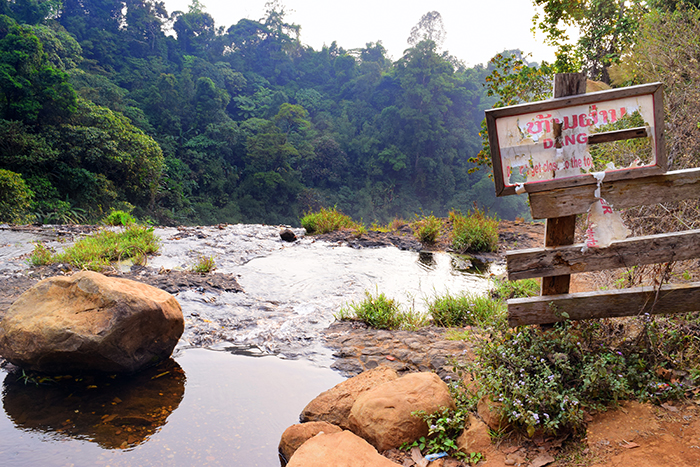
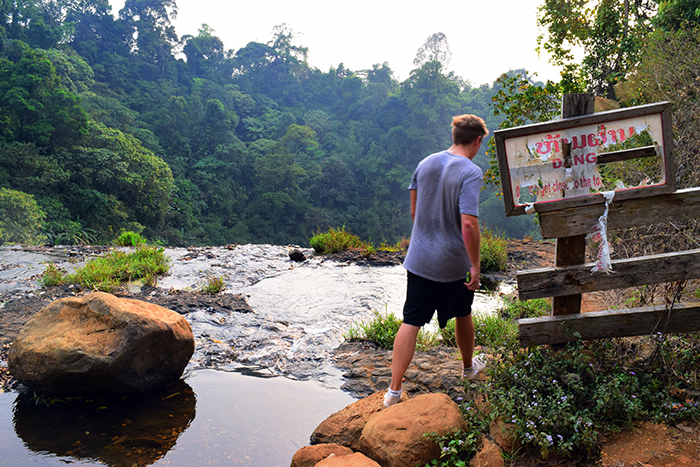
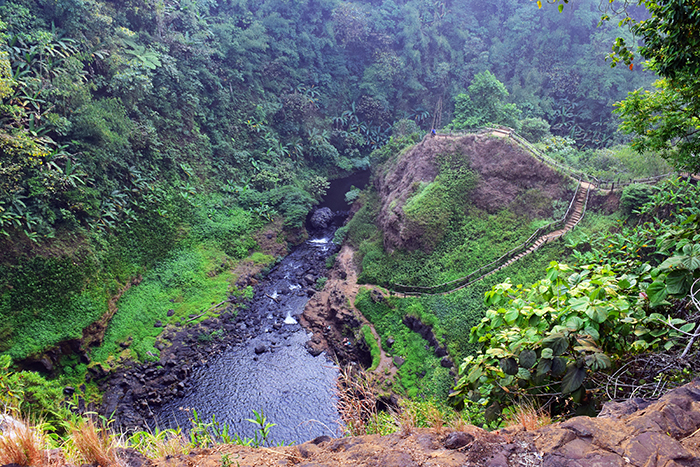
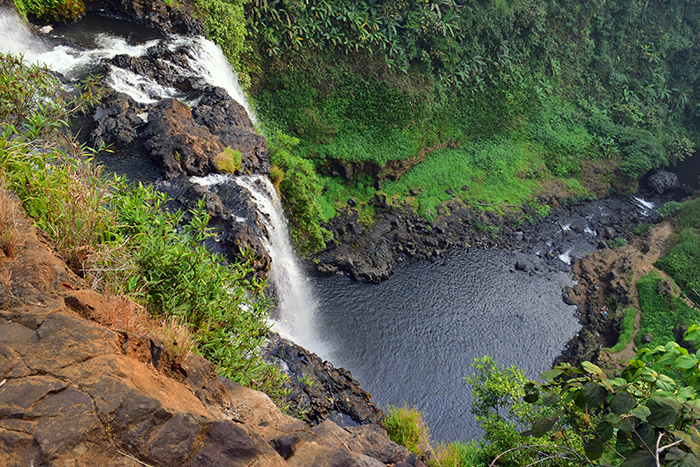
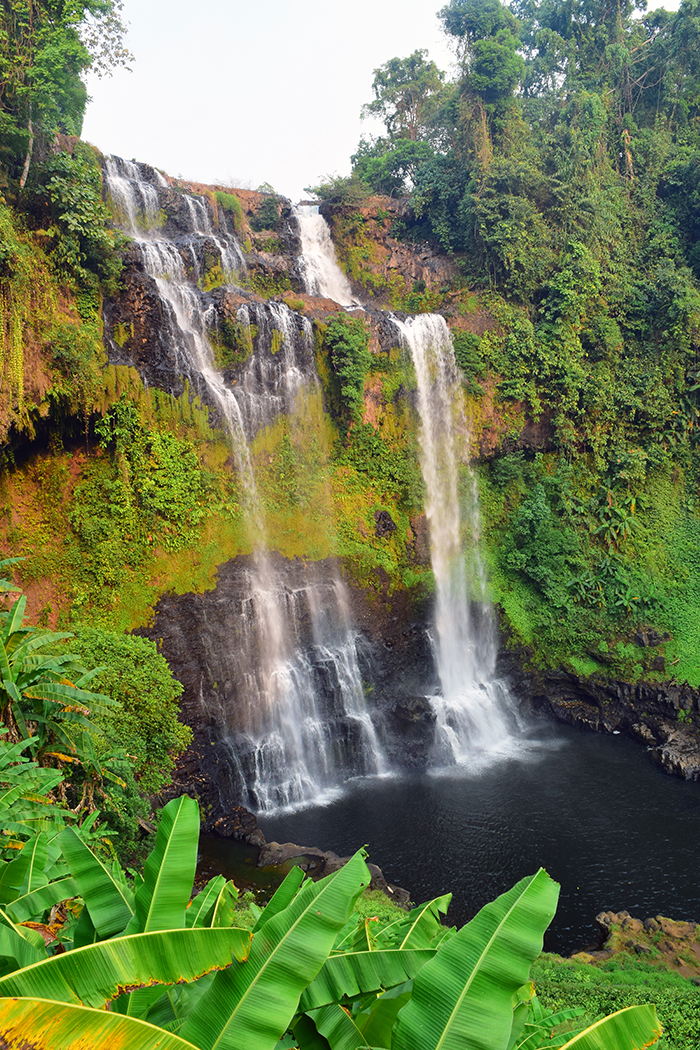
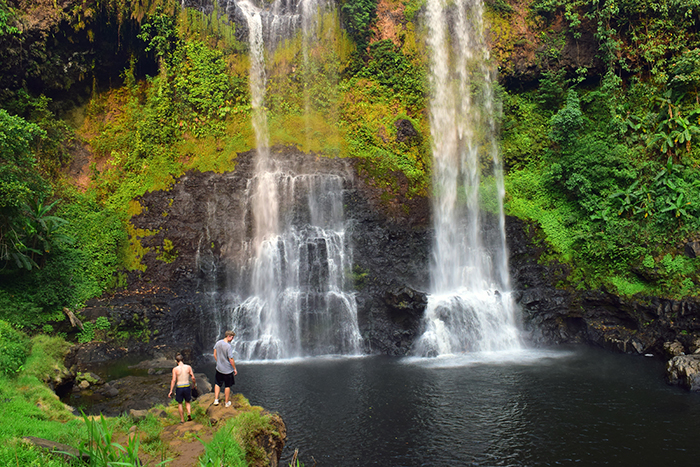
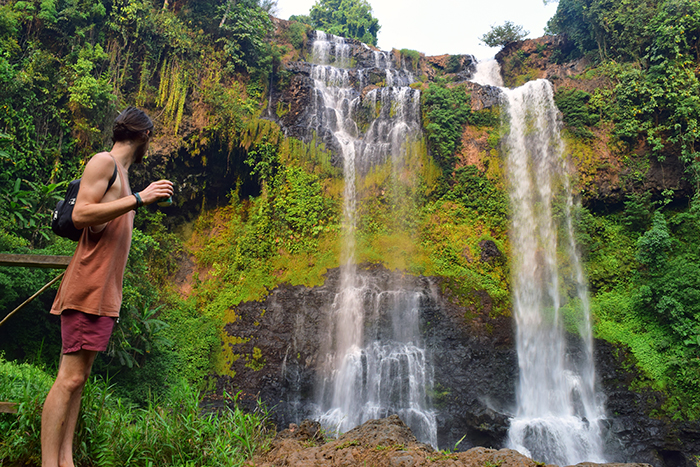
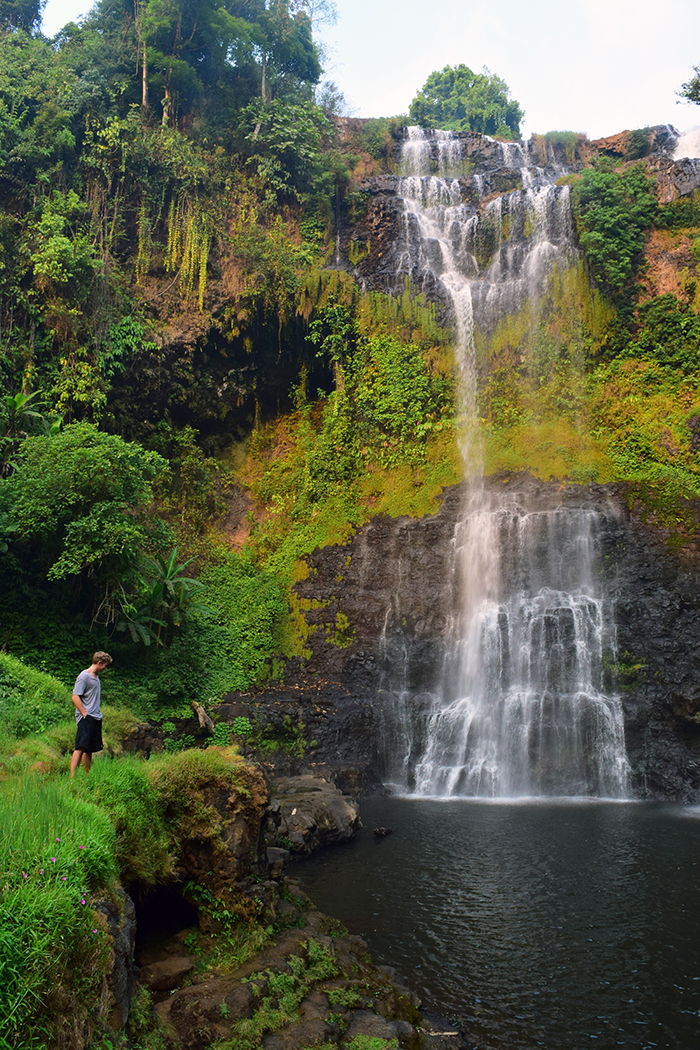
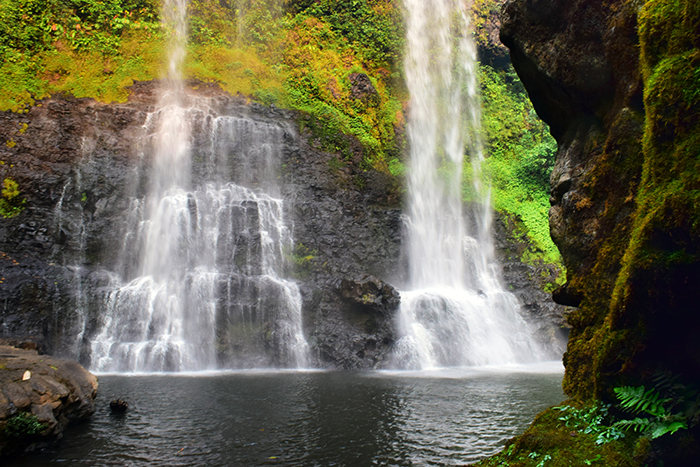
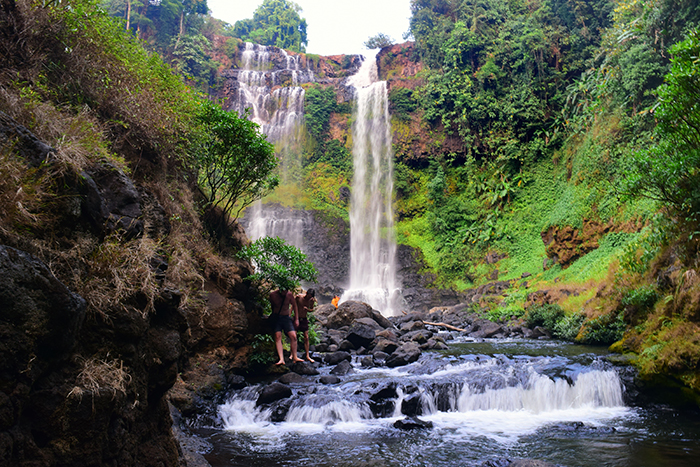
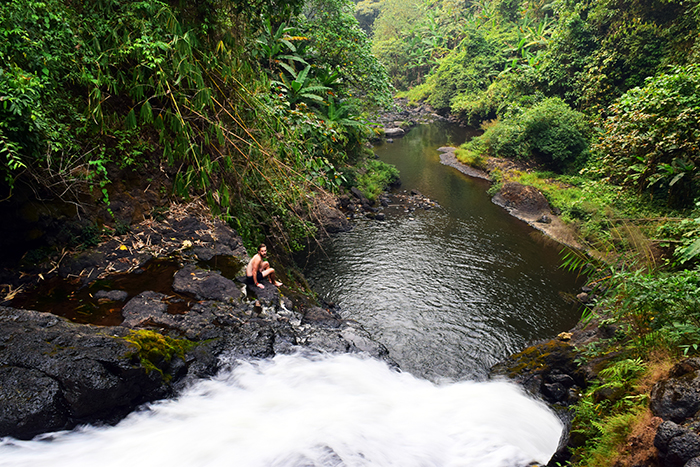
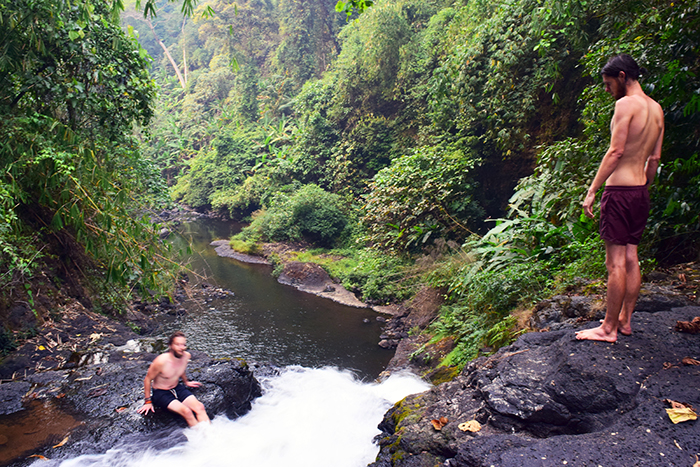
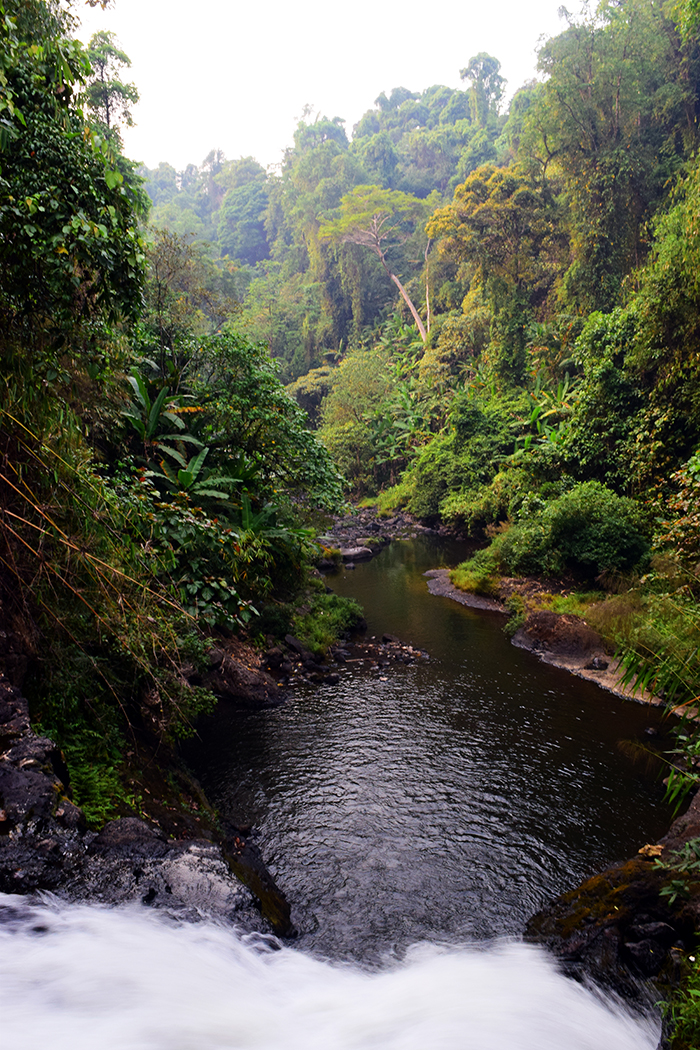
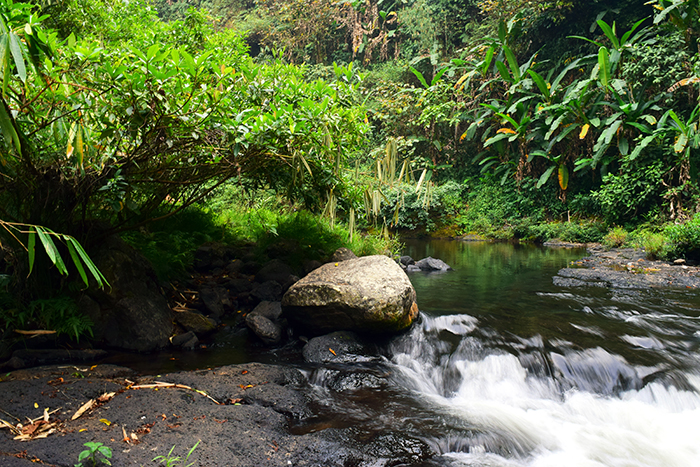
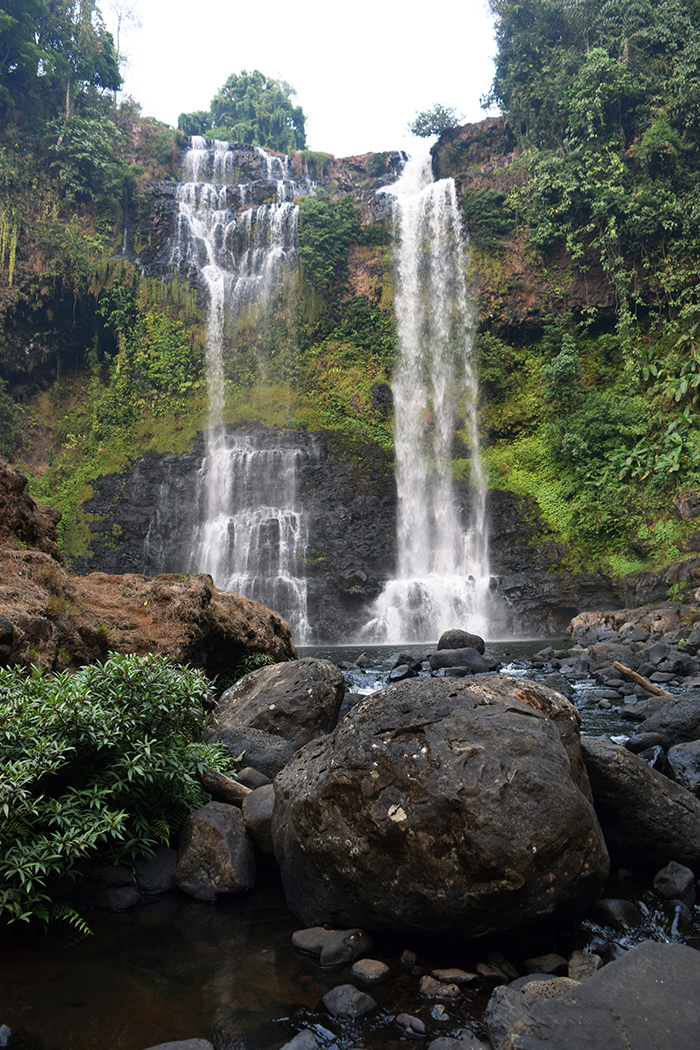
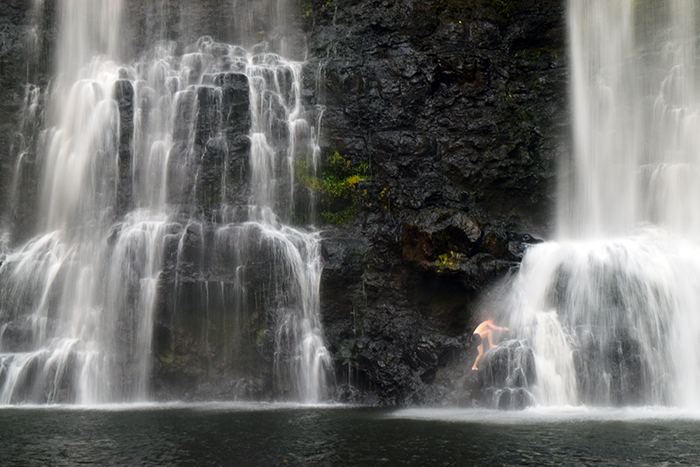
There are actually a couple pretty incredible waterfalls just outside of Pakse. It’s about a thirty minute drive to the nearest one. Nature sightseeing is also one of the only touristy things to do in the area, so all the tuk tuk drivers know exactly what you want if you ask for “waterfalls.”  Unfortunately, it also means haggling is almost out of the question (I mean, it’s always an option, but you often end up losing more of your dignity than you do lowering the original offer). The tuk tuk drivers of Pakse have formed an informal union or (oppositely) a monopoly; they do their best to charge a standard fare so no one gets screwed over, except the tourists of course.

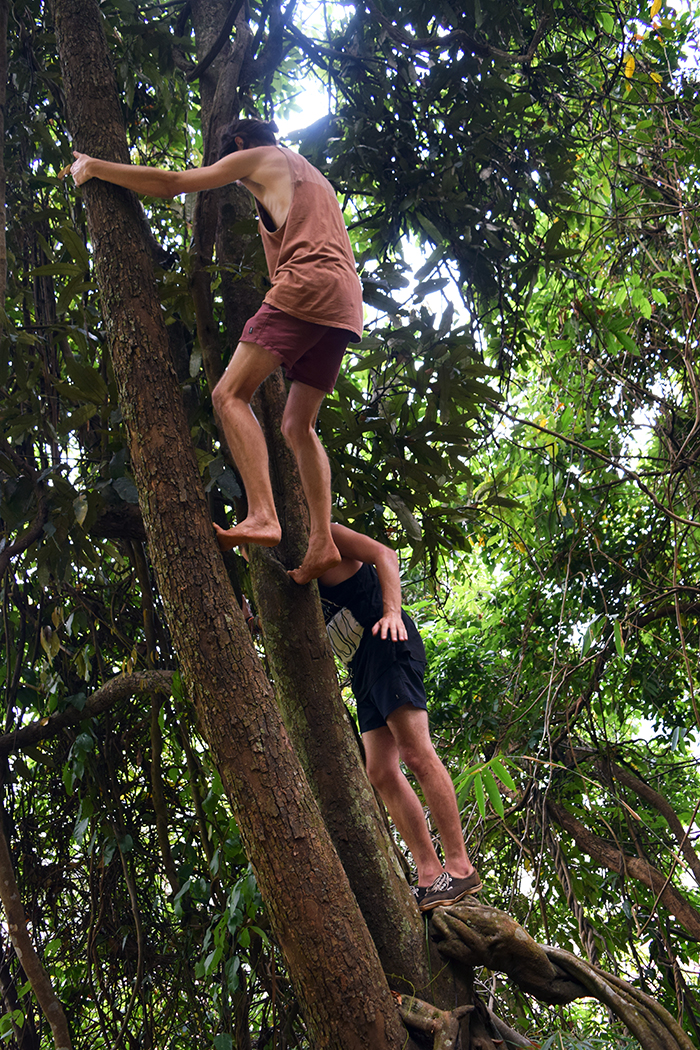
But the waterfalls are worth the hassle. If you end up in Pakse (sometimes these things just happen), definitely check them out. I did and walked away thoroughly impressed not just by the size of these beautiful natures-capes, but also, like at most Southeast Asian attractions, that you can pretty much do whatever you want at the site, be that swim, climb, explore, or hike. 

Expenses:

  • Tuk Tuk to Waterfalls: (depends on how many people you get to split it but) ~ $5
  • Waterfall Entry Fees: $1-2 (depending on how many you see)

Landed in Pakse

Location: Pakse, Laos

We’re in Pakse for two reasons. The first is that it’s the last stop in southern Laos with a Vietnamese embassy (Vietnam is one of the few countries in Southeast Asia that requires you to complete the visa approval process before arrival). And, as our visa in Laos runs out soon, we need to get everything sorted for our upcoming country hop. The second is that it’s a necessary pitstop between Vientiane and 4000 Islands, our next touristy destination. 
When we arrived and discovered it would take about four days to process our Vietnamese visas, we found ourselves with time to fill in the baking hot, quiet little city and its mostly empty streets.

Of course the first thing you do after an eight hour bus ride and an extensive search for the cheapest (but also livable) accommodation is check out the local eats. You have to fill your sweaty, hungry, unkempt and sleep-deprived self with some kind of energy. It’s also a kind of tourism in itself, devouring one cultural cuisine after another. We’d been in Laos now for about two and a half weeks, and I thought that between Vientiane, Luang Prabang, and all those little stops between, I had a good handle on the food possibilities. It seemed to be a mixing pot of sorts: fruit shakes, crispy pork in sweet and sour noodle soup, the always present fried rice, Cambodian-style curries, Vietnamese coffee and banh mi, and stir fried noodles. So I was pleasantly surprised when I found myself surrounded by Indian-owned restaurants. I had yet to see a single one in the country so far. I was a little weirded out and wondered what the historical answer was as to why there was such a large Indian population in Pakse, and Wiki’ed it to no avail. But hey, who can say no to a hearty helping of tiki masala and garlic naan? 

I actually found a new favorite Indian dish. It's a veggie curry, eggplant based, called Baingan Bharta. The globs of green, darkened by spices, were both scrumptious and spicy. I also tested out a kind of roti I'd never eaten before. It was flavored "menthi," and was made from fenugreek seeds. It had a bittersweet taste and left my mouth feeling a touch tingly. 

Expenses:

  • Baingan Bharta: $1.90 
  • Menthi Roti: $.90
  • Three Month, Single-Entry Vietnamese Visa: $65

Travel Tips:

  • Local cuisine doesn’t necessarily have to be traditional Laotian food. If you find neighborhoods bursting with restaurants dedicated to a particular ethnic cuisine, be sure to check it out. You never know what kind of awesome fusions you can find! 
  • And in conjunction, it’s usually best to stick with local dishes. Most menu choices with “American” slapped in front of the title are usually rip offs or poor imitations. I repeat, it is most likely a lie — even if there are tasty-looking photos beside the item. I found this out firsthand when I ordered an “American fried rice.” The photo tempted me: regular fried rice but with corn, peas, carrots, a fried egg and two fat pink hotdog-like sausages and a chicken wing as accompaniments. It turned out to be the worst thing I’ve eaten in Southeast Asia; the sausages were strange, sweet and mushy, made from meat of unknown origins. The chicken wing was probably taken from a chick. And the veggies in the rice were canned and uncooked. Don’t let this happen to you! 
  • If you snag a room with a television, don’t just flip straight to HBO. You might skip out on some prime entertainment (depending on your sense of humor). One of my friends is now addicted to an almost-traditional Laotian soap opera…The only exception is that everyone’s wearing cowboy gear and all the characters ride around on sticks with fake horse heads. It’s quite a gem. 
  • Visa prices vary from city to city. A one-month, single entry Vietnamese visa cost $60 in Vientiane, and a three-month, single entry cost $65 in Pakse. However, the Vietnamese embassy in Luang Prabang was charge $70 for a one-month, single entry visa. I haven’t really researched much into the subject, but it’d definitely be worth a gander before you decide where you want to buy your visa and what your entry point will be. 

Eerie Find: An Abandoned Fun Zone of Unknown Origins

Location: Vientiane, Laos

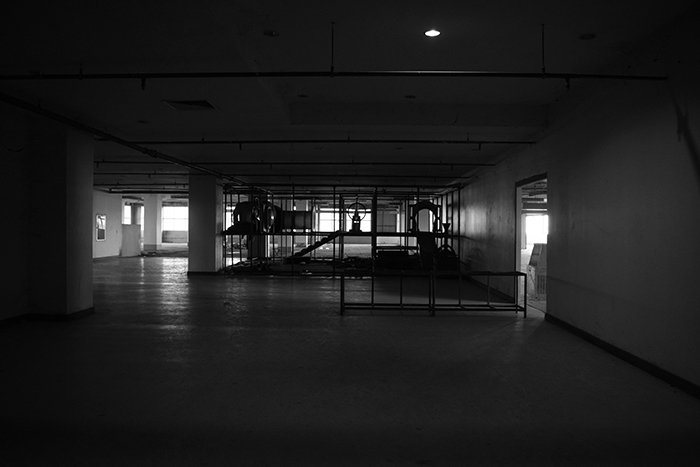
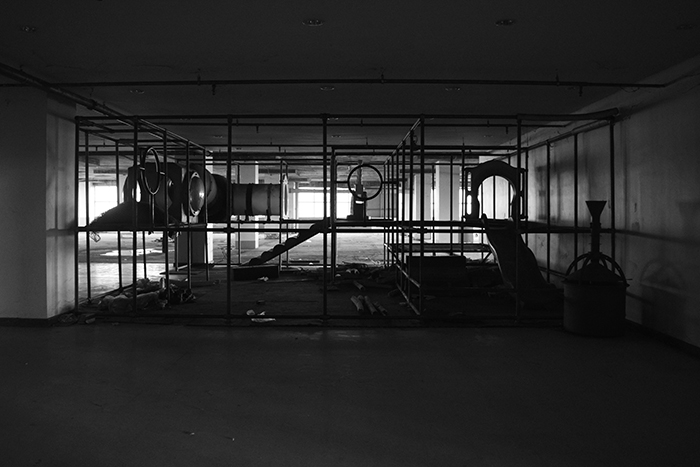
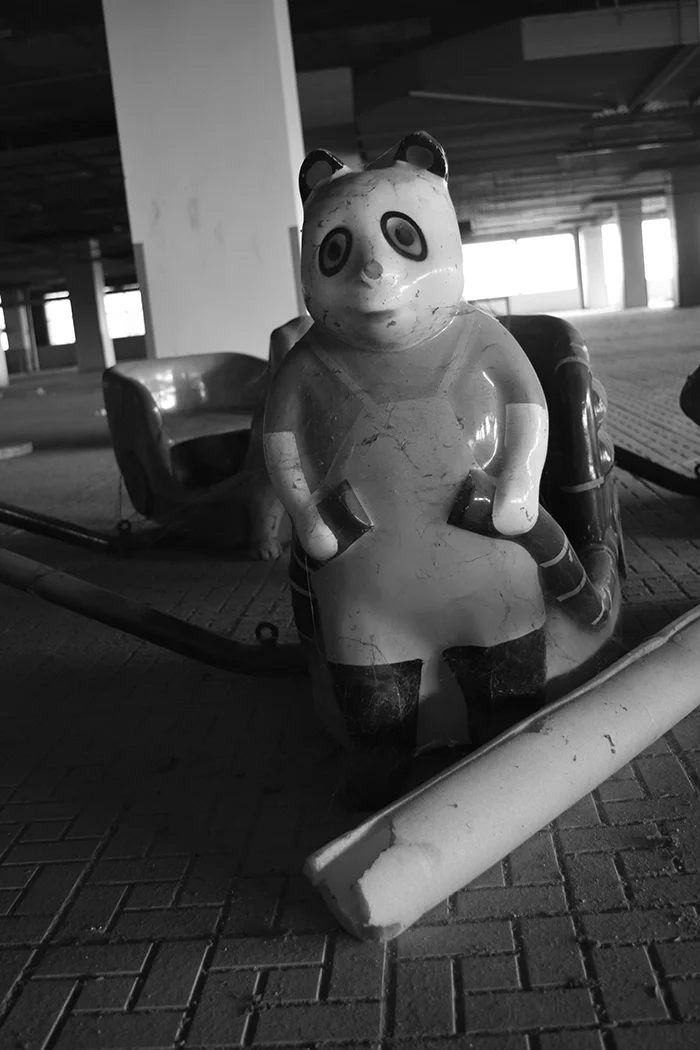
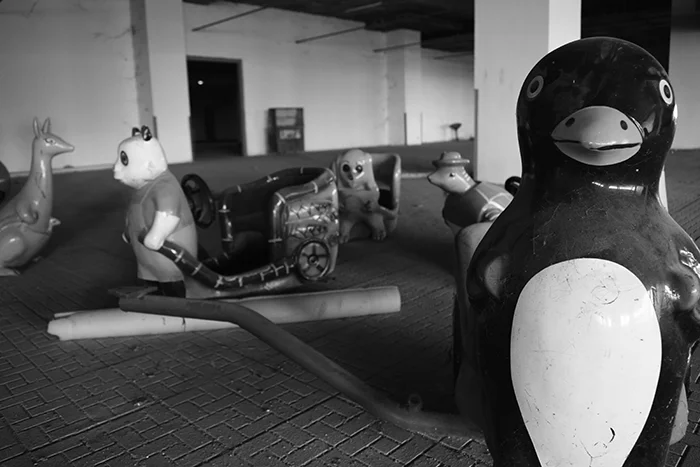
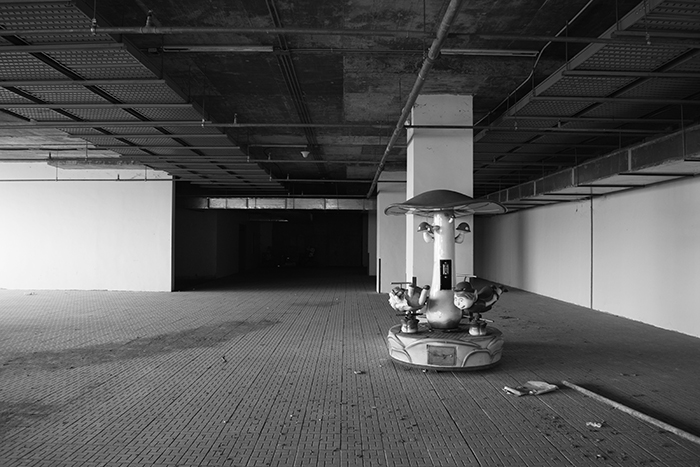
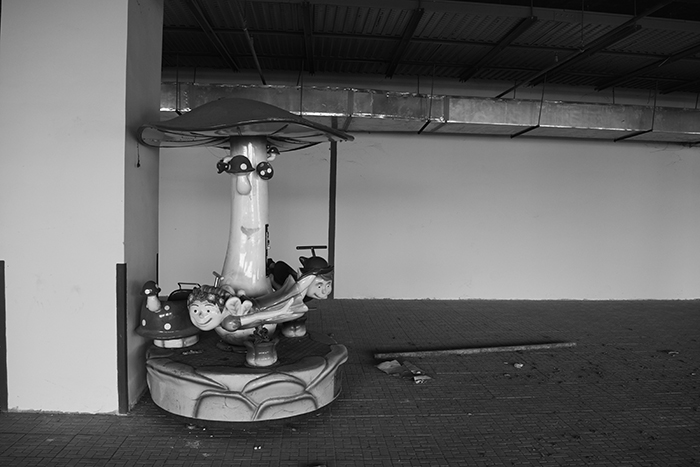
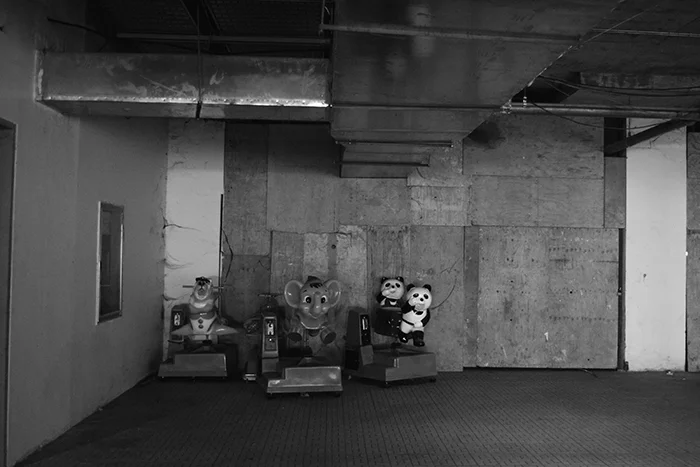
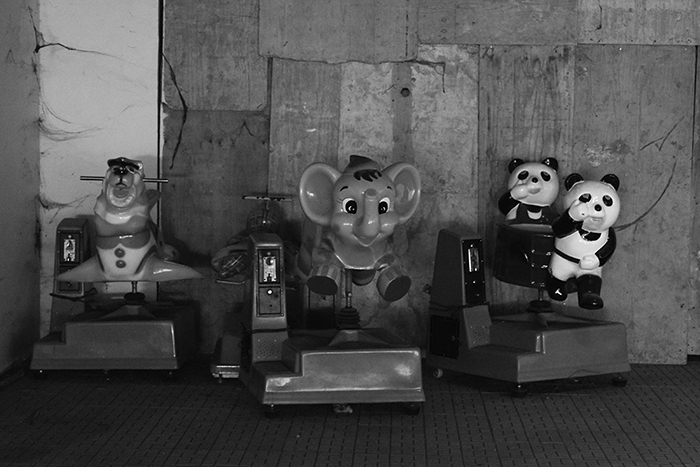
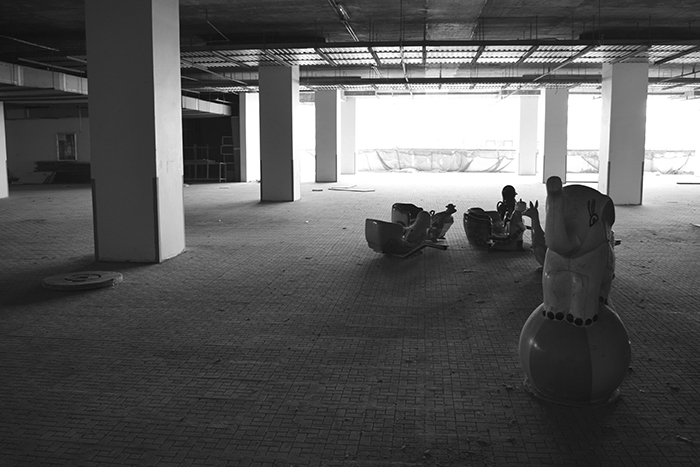
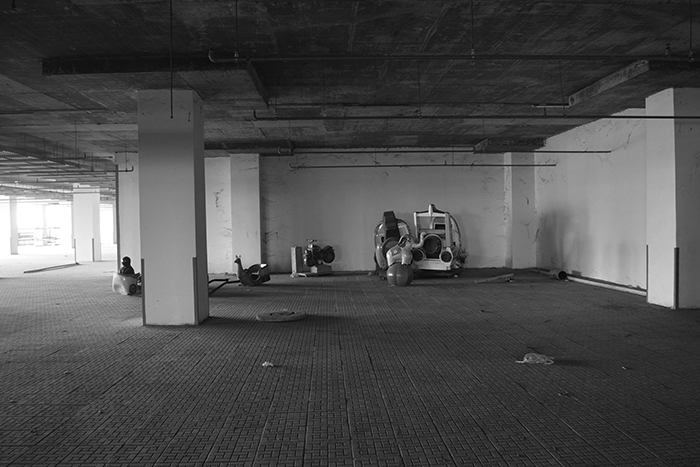
Came across this creepy find on the abandoned top floor of a mall/marketplace. There were several small, questionable piles of ash and rudimentary cooking utensils in a few of the corners that lead me to be believe it's currently a crack den.

I've noticed Chuck E. Cheese-esque kid entertainment centers on the top floors of shopping malls in Laos, but none quite as large as this one's size implies. What I found strangest about it was that the building itself was not completed. The equipment looked old and used, but there were no windows on this floor, no proper insulation for pipes or anything that remotely resembled a finished and later abandoned building. 

The origins of this place and its collection of carnival rides and jungle gym equipment remain a mystery.